Why Everyone Is Putting Lenor Aroma Jewel Beads Into Tea Bags Right Now
Across Tokyo apartment complexes and suburban households, an unassuming staple from the kitchen pantry has taken over the laundry and cleaning community. Shoppers are buying packs of disposable non-woven tea bags, traditionally sold for loose sencha or dashi broth, and filling them with scoops of laundry scent booster beads. The resulting palm-sized pouches are popping up inside sneaker racks, gym bags, walk-in closets, and linen cabinets across Japan and international lifestyle channels.
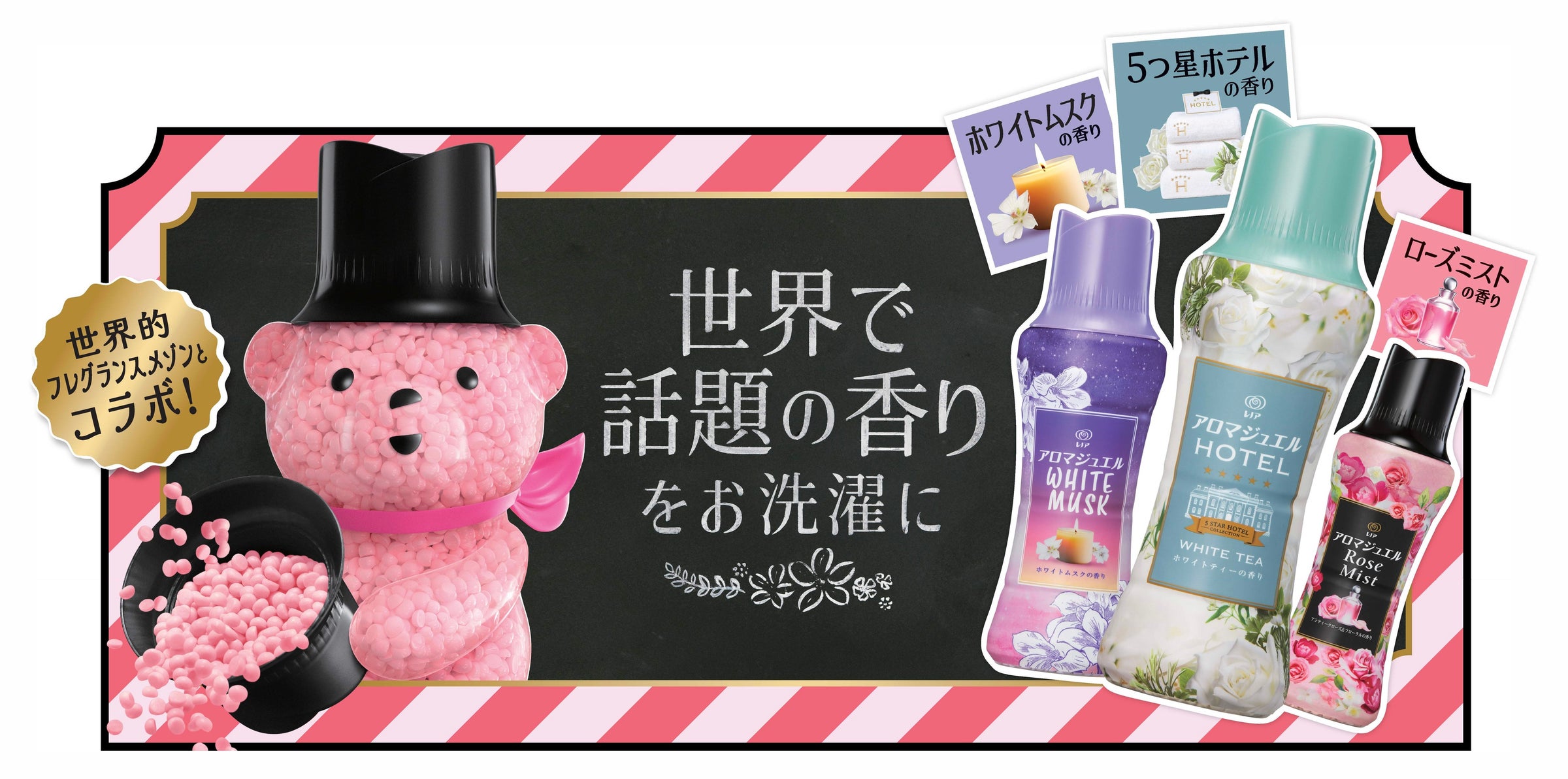
What began as a thrifty domestic trick gained fresh momentum following an official product overhaul by P&G Japan. According to a PR TIMES Report detailing P&G Japan's nationwide relaunch of Lenor Aroma Jewel, developed in partnership with leading global fragrance houses, the updated formulations brought complex, fine-perfume scent profiles directly into consumer wash cycles. Naturally, consumers immediately sought ways to experience those scents outside the washing machine drum.
📌 Key Takeaways:
- The Viral Method: Consumers are spooning 10 to 15 grams of Lenor Aroma Jewel fabric fragrance beads into porous, disposable tea bags to construct inexpensive, dry air fresheners.
- The Mechanism: The water-soluble polyethylene glycol carrier matrix slowly off-gases perfume oils at room temperature, providing ambient scent longevity for four to eight weeks without requiring heat or liquid solvents.
- Safety Boundaries: Direct contact between beads and sensitive fabrics can cause oil spotting in warm, humid conditions, making double-bagging and proper placement essential.
The Social Spark Behind the Tea Bag Sachet Hack
The intersection of Japanese organization culture and minimalist lifehacks regularly produces viral housekeeping trends, but the tea bag trick struck an unusually wide chord. High-end commercial wardrobe diffusers from boutique fragrance houses often cost upwards of $25 to $40 and rarely last past thirty days in open storage. Meanwhile, a standard 470ml bottle of Lenor Aroma Jewel retails for roughly 600 to 800 yen ($4 to $5.50), and a pack of 100 non-woven tea filter pouches costs barely 110 yen ($0.75) at 100-yen shops like Daiso or Seria.
Online lifestyle creators quickly realized the arithmetic. A single bottle contains enough beads to fill roughly thirty small sachets, dropping the unit cost of an ambient closet deodorizer to roughly twenty cents. Users on X and Instagram began documenting localized use cases: tucking sachets into shoe toe-boxes to neutralize athletic odors, stashing them beneath passenger car seats, and slipping them between stacks of seasonal guest towels. The hashtag-driven curiosity snowballed into lifestyle blogs across Asia, North America, and Europe, where imported Japanese laundry supplies enjoy a devoted cult following.
The tactile appeal is equally deliberate. Unlike bulky plastic deodorizer blocks or messy liquid diffusers that risk spills when knocked over, non-woven tea bags are soft, pliable, and self-sealing via fold-over flaps. They fit cleanly into tight spaces where traditional air fresheners cannot sit upright.
The Chemistry of Scent Booster Beads Outside the Washer
Understanding why this trick works requires examining what scent booster beads are made of. Unlike liquid fabric softeners, which rely on cationic surfactants to coat cotton fibers, Lenor Aroma Jewel beads are solid, water-soluble pellets. Their primary carrier base is polyethylene glycol (PEG), a stable polymer blended with concentrated fragrance oils and micro-encapsulated aroma compounds.
In a normal wash cycle, high water volumes dissolve the PEG matrix instantly, distributing encapsulated scent molecules evenly across damp clothing. In a dry drawer, that dissolution never occurs. Instead, the polymer matrix acts as an unhurried solid-state diffuser. The volatile top and mid perfume notes steadily escape through the microscopic pores of the non-woven tea filter paper, dispersing into ambient air currents.
Because the fragrance compounds were engineered to survive high-heat tumble dryers, their evaporation rate at typical room temperatures (18°C to 24°C / 64°F to 75°F) is sluggish. This slow diffusion curve gives the makeshift pouch its surprising staying power. Testers regularly report noticeable scent throw inside closed drawers for 60 days or more, outlasting typical water-based gel pucks that shrivel within three weeks.
Performance and Cost: Scent Sachets Versus Commercial Alternatives
To determine whether the DIY aroma sachet holds up against commercial home fragrance products, consider the practical benchmarks across pricing, duration, and placement versatility:
| Fragrance Format | Estimated Cost Per Unit | Active Scent Longevity | Leak & Spill Hazard |
|---|---|---|---|
| DIY Aroma Jewel Tea Bag | $0.20, $0.35 | 6, 8 weeks (enclosed spaces) | Low (solid dry beads) |
| Commercial Gel Air Freshener | $3.50, $6.00 | 3, 4 weeks (evaporates dry) | Moderate (gel can melt/spill) |
| Wardrobe Hanging Sachet | $4.00, $9.00 | 4, 6 weeks | Low (vermiculite base) |
| Reed Diffuser (Small) | $15.00, $35.00 | 8, 12 weeks | High (open liquid container) |
The numbers highlight why practical households favor the hack. While reed diffusers provide a stronger continuous scent throw for large living rooms, they cannot be thrown inside a gym duffel bag or tucked between folded bedsheets without courting ruined fabrics. The tea bag method occupies a sweet spot of hyper-targeted, zero-spill aromatic placement.
Hidden Risks: Melting Points, Staining, and Indoor Air
Repurposing manufactured chemical products outside their intended scope always introduces trade-offs. While the hack looks foolproof on a thirty-second social media reel, practical application reveals genuine failure points that users need to manage.
The primary hazard is thermal softening. Polyethylene glycol carries a relatively low melting threshold, frequently softening around 45°C to 55°C (113°F to 131°F), with surface tackiness beginning at lower temperatures under sustained pressure. Placing a sachet inside a black car parked under direct July sunlight will turn the beads into a sticky sludge. As the binder softens, concentrated perfume oils and synthetic colorants can leach directly through the porous paper fiber, leaving permanent grease rings on wooden shelves or staining light-colored garments.
There is also the question of fragrance load. Laundry beads are intensely concentrated; manufacturers formulate them to perfume dozens of gallons of rinse water. Placing five fresh sachets inside a tiny, unventilated closet can trigger headaches or airway irritation for individuals sensitive to synthetic musks. Households with pet cats should exercise heightened caution: many concentrated aromatic formulations contain terpenes or synthetic aldehydes that feline livers cannot metabolize effectively.
Ideal Use Cases:
- Spacious walk-in closets with regular door cycling
- Shoe cabinets, damp boots, and athletic lockers needing strong odor masking
- Luggage interiors during seasonal storage
- Secondary entryways and high-traffic mudrooms
Situations to Avoid:
- Direct surface contact with raw silk, leather, or pale linen garments
- Enclosed vehicles during high-temperature summer months
- Sleeping quarters belonging to individuals with diagnosed asthma or fragrance allergies
- Homes with curious pets prone to chewing low-hanging pouches
Constructing a Leak-Proof Wardrobe Sachet
Executing this hack properly takes less than two minutes, but skipping basic assembly safeguards often leads to punctured pouches and loose beads rolling across closet floors.
First, select quality non-woven tea bags featuring a fold-over top tuck rather than simple heat-sealed edges. Measure roughly two tablespoons (10 to 15 grams) of Lenor Aroma Jewel beads into the bag. Overfilling creates bulk tension on the seams, making punctures far more likely when items shift around inside a drawer.
Second, implement a double-bag barrier. Slide the filled, folded tea bag upside down into a second tea bag. This double-layering does not impede scent dispersal, but it prevents microscopic bead dust from sifting onto clothes and provides an extra layer of absorption if ambient humidity causes the bead surfaces to become slightly tacky.
Finally, place the sachet along drawer perimeters or suspend it using a wooden clothespin clamped to a hanger neck. Never wedge the sachet directly underneath heavy stacks of clothing where compressive force could squeeze softened binder oils through the membrane.
Frequently Asked Questions (FAQ)
Q1: How long does a single tea bag sachet stay fragrant?
A1: In a closed environment like a dresser drawer, nightstand, or storage bin, the beads maintain noticeable scent projection for six to eight weeks. In open areas with continuous airflow, the scent throw begins fading after three to four weeks.
Q2: Can I vacuum up loose beads if the tea bag tears?
A2: Yes, and doing so will lightly scent your vacuum cleaner's exhaust chamber. However, empty the vacuum dust cup or bag promptly; prolonged contact with internal vacuum motor heat can soften the beads against filter components.
Q3: Will the beads leave oil spots on my clothes?
A3: If dry beads sit directly against delicate or light-colored fabrics in warm, humid weather, synthetic perfume oils can migrate through single-layer paper. Always double-bag the beads and tuck the pouch along drawer edges rather than sandwiching it directly between clothing layers.
Rethinking Home Fragrance on a Shoestring Budget
The viral popularity of packing laundry beads into tea filters illustrates a broader shift in consumer behavior. Rather than buying specialized single-purpose commercial products for every room in the house, modern homemakers increasingly disassemble and repurpose everyday pantry staples to solve domestic annoyances on their own terms.
Lenor Aroma Jewel beads were engineered to survive the mechanical violence of a high-efficiency washing machine. By sealing them inside inexpensive tea bags instead, consumers discovered that those same industrial fragrance stabilizers double as remarkably durable, spill-free ambient diffusers. As long as you respect the thermal limits of the polymer base and keep the sachets away from direct contact with delicate silks, this twenty-cent domestic hack delivers luxury-level freshness without the boutique price tag.