Why Fukuoka City Junior High Schools Moved Closing Ceremonies to Air-Conditioned Classrooms
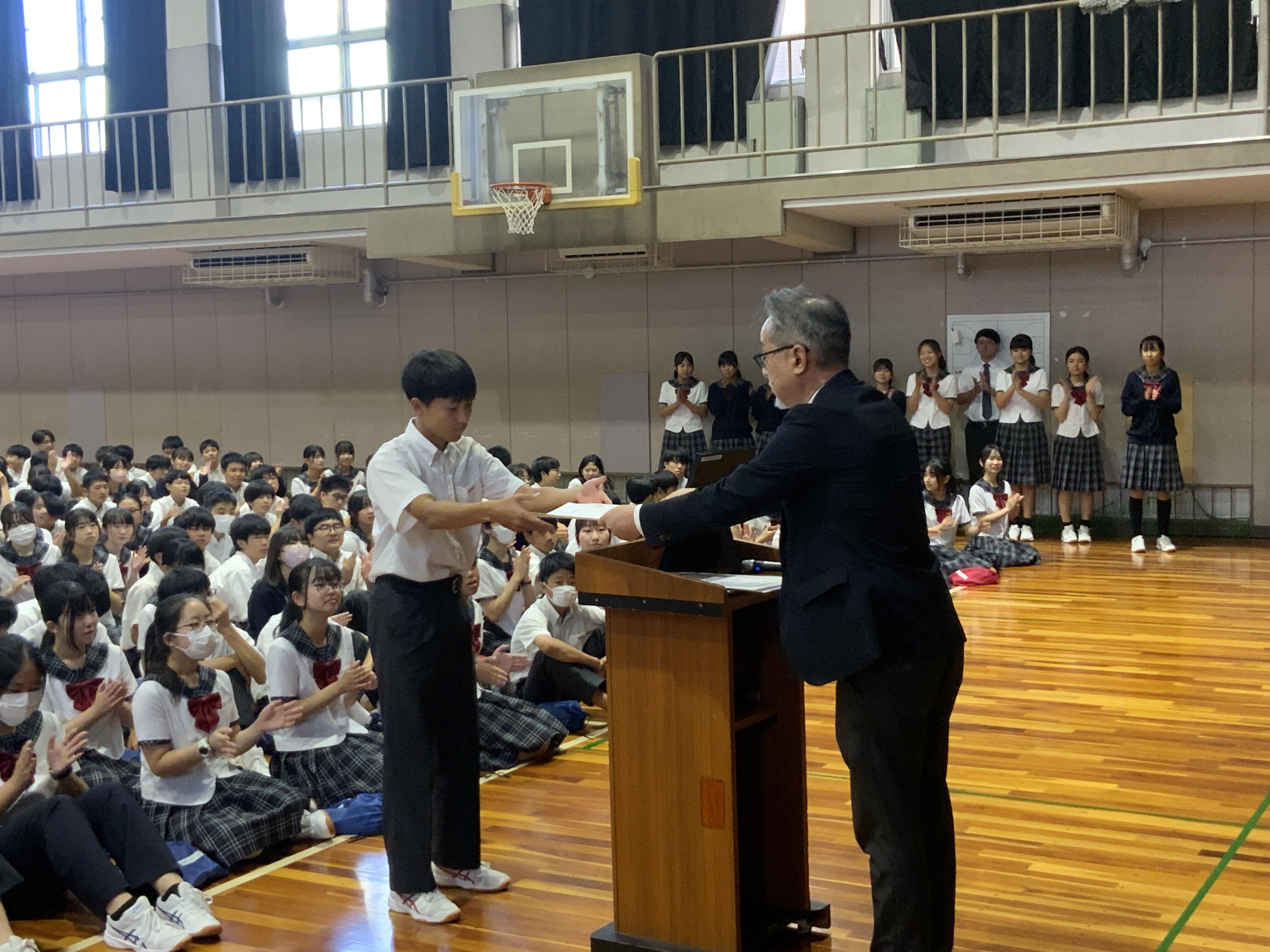
On July 21, public junior high and elementary schools across Fukuoka City marked the close of their first academic term. Yet inside the cavernous school gymnasiums where generations of Japanese students stood rigidly at attention for the shūgyōshiki (closing ceremony), the halls remained pitch-black and silent. Instead, tens of thousands of adolescents sat at individual desks in climate-controlled homerooms, watching high-definition live feeds of their principals delivered straight to wall-mounted monitors.
The quiet abandonment of the all-hands gymnasium assembly represents a practical capitulation to southwestern Japan's punishing midsummer humidity. As confirmed in reporting by the MSN Report on Fukuoka school proceedings, campuses including Shiobaru Elementary and regional junior high schools opted for remote ceremonies directly from the principal’s office. The decision highlights how extreme heat is systematically rewiring long-standing educational rituals across the Japanese academic calendar.
📌 Key Takeaways:
- The Operational Pivot: Fukuoka City public schools conducted first-term closing ceremonies remotely to shield students from dangerous heat index spikes inside uncooled facilities.
- The Infrastructure Divide: While Fukuoka City relies on digital streaming into air-conditioned classrooms, neighboring Munakata City assembled roughly 750 students inside an air-conditioned gymnasium at Joyama Junior High School.
- Urgent Safety Guidance: School principals shifted ceremonial addresses away from conventional academic homilies, issuing targeted warnings regarding river and coastal water accidents alongside heat exhaustion.
The Sweltering Reality of Japan’s July Assemblies
For decades, the formal rhythm of Japanese compulsory education demanded collective physical assembly. Three times a year, students lined up by homeroom inside the gymnasium to listen to formal addresses, bow in unison, and sing the school anthem. By mid-July, however, those same cavernous structures become heat traps. Constructed with corrugated steel roofs, minimal cross-ventilation, and extensive floor space, school gymnasiums routinely log indoor wet-bulb temperatures well past safety thresholds before 9:00 AM.
Packed crowds magnify the hazard. Cramming 500 to 900 teenagers into an enclosed space generates massive body heat. In recent summers, ambulance dispatches to public schools during seasonal ceremonies generated intense national scrutiny. The Fukuoka City Board of Education gave campus administrators broad discretion to scrap traditional arrangements, prioritizing student health and safety over strict adherence to institutional protocol.
Inside the Shift to Live-Streamed Classroom Ceremonies
The tactical fix did not require massive new software contracts. Schools repurposed tablets and video-conferencing setups originally distributed under the national GIGA School Initiative. Principals addressed a single web camera in an administrative office, while homeroom monitors displayed the broadcast across every wing of the facility.
At Shiobaru Elementary in Fukuoka's Minami Ward, Principal Ichiro Shimoda spoke directly to quiet classrooms where thermostats were locked at steady cooling levels. A similar transition occurred across the city's junior high network, as well as at Kashii Elementary in Higashi Ward under Principal Kazue Oka. Beyond protecting students from heatstroke, administrators cited a secondary operational dividend: cutting out the 20 to 30 minutes previously squandered shuffling hundreds of pupils through narrow stairwells and hallways.
Students stood to bow toward the digital display, sang the school song at their desks, and received dismissal instructions without stepping foot into the mid-morning heat. Teachers noted an immediate drop in fainting spells and dizziness complaints, which historically plagued nurse stations on the final day of term.
A Tale of Two Municipalities: Fukuoka City Versus Munakata City
The operational divide across northern Kyushu reveals distinct municipal approaches to school climate adaptation. While Fukuoka City has predominantly tackled heat risks by keeping pupils in air-conditioned classrooms, neighboring jurisdictions invested directly in cooling the gymnasiums themselves.
On July 17, just north of the prefectural capital, Joyama Junior High School in Munakata City conducted its closing ceremony with all 750 students assembled in a single indoor hall. The gathering was possible because Munakata City completed heavy-duty HVAC installations throughout its public school sports halls, transforming them into year-round community assets and certified emergency shelters.
| Metric & Approach | Fukuoka City Model | Munakata City Model |
|---|---|---|
| Ceremony Location | Individual air-conditioned classrooms | Central school gymnasium |
| Delivery Method | Remote streaming via GIGA tablets | In-person full assembly (~750 pupils) |
| HVAC Infrastructure | Standard classroom units; gym retrofits pending | High-capacity commercial gym HVAC installed |
| Transition Cost | Near zero (uses existing school IT) | Significant municipal capital expenditure |
The contrast highlights budgetary challenges. Outfitting a large municipal gym with industrial-grade air conditioning often costs between ¥30 million and ¥60 million ($200,000, $400,000) per site, alongside hefty electrical overhead. For a sprawling metropolitan system like Fukuoka City, retrofitting hundreds of facilities represents a multi-year fiscal commitment. Streaming ceremonies offer an immediate, zero-cost safety shield while capital works inch forward.
Principal Warnings Shift from Study Habits to Water Safety
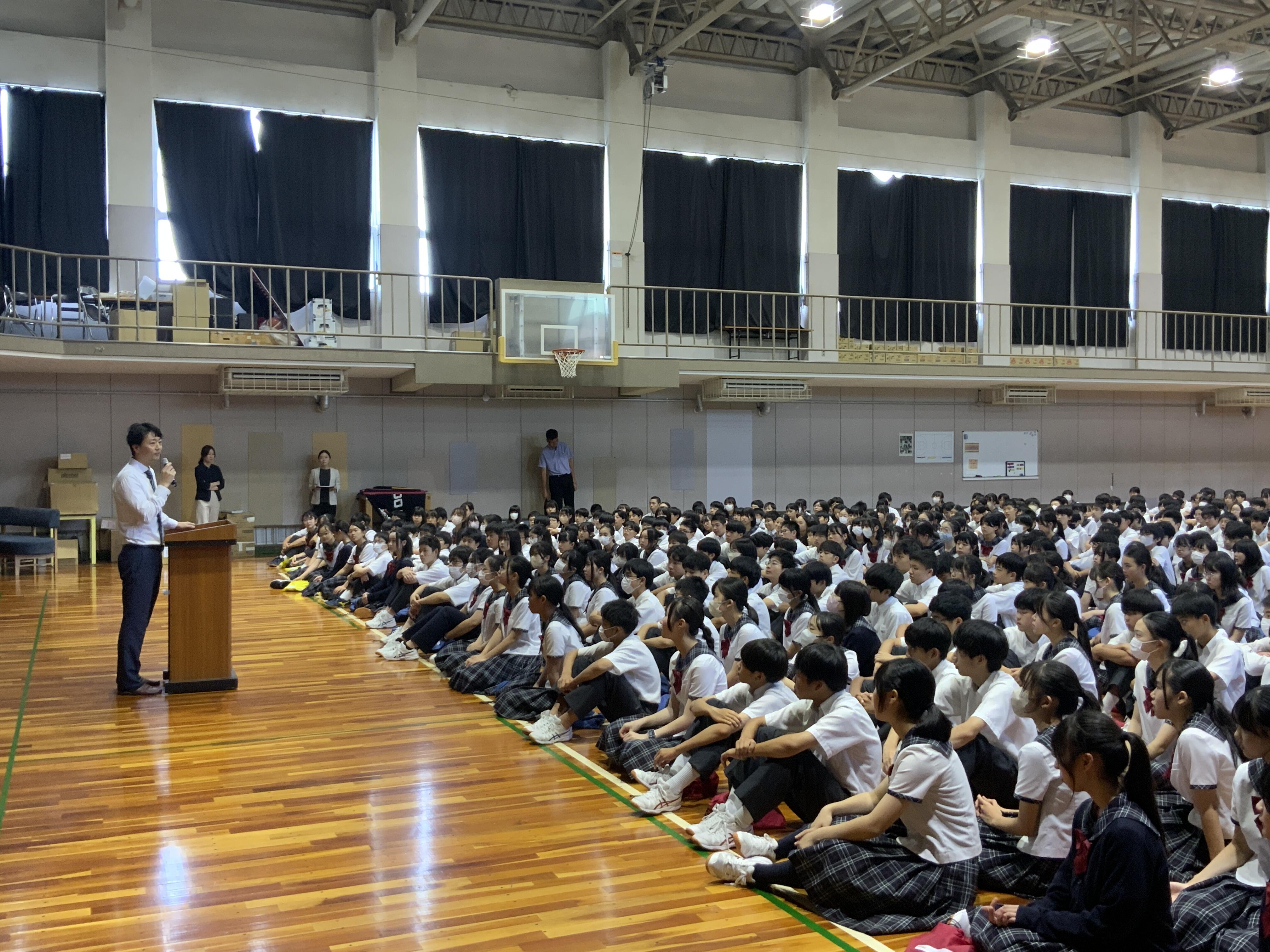
The substance of the principal's address has also changed. Historically, closing ceremony speeches revolved around character building, summer study routines, and preparing for autumn club competitions. During the July 21 ceremonies, administrative messaging took a decidedly urgent, protective tone.
Principal Ichiro Shimoda used his broadcast time at Shiobaru Elementary to warn against sustained heat exhaustion and unmonitored swimming. In Higashi Ward, Principal Kazue Oka reminded families of recent local tragedies, citing water accidents off the Fukuoka coast earlier in the season. With the official summer vacation start date falling on July 18 to July 22 across various regional districts, faculty emphasized life-safety rules over academic checklists.
Staff reiterated warnings about riverbanks, storm runoff channels, and unpatrolled beaches. In a culture where students spend six weeks largely outside direct institutional supervision, the live broadcast served as an unambiguous safety briefing.
Infrastructure Realities Across Public School Facilities
Japan achieved virtually 100% air-conditioning coverage across standard public elementary and junior high classrooms by 2022, spurred by searing heatwaves in previous years. Yet gymnasiums were largely left off early spending programs. Nationwide data from Japan's Ministry of Education (MEXT) indicates that gymnasium cooling adoption still lags behind general classrooms, leaving a vulnerability during peak summer and winter months.
This dynamic creates friction between two municipal priorities. School gymnasiums are not merely athletic spaces; they double as official evacuation shelters during earthquakes, typhoons, and torrential rainfall. When disaster strikes during intense heatwaves, uncooled gymnasiums expose elderly evacuees to serious medical risks.
Fukuoka’s choice to hold ceremonies online highlights a broader shift in school management. Administrators are dismantling rigid customs when simple technology offers a safer path. Traditionalists may miss the solemn spectacle of the entire student body gathered under one roof, but staff members point to empty infirmaries as all the justification they need.
Frequently Asked Questions (FAQ)
Q1: Why don't all public junior high school gymnasiums in Fukuoka have air conditioning?
A1: School gymnasiums feature high ceilings, poor thermal insulation, and wide floor areas, making industrial HVAC installation expensive. While standard classrooms achieved near-total climate control nationwide, gymnasium retrofits require large capital outlays that municipalities must balance against competing public works.
Q2: How do remote closing ceremonies work technically inside classrooms?
A2: Principals and student representatives speak from an administrative studio or the principal’s office using internal web conferencing software. The stream feeds directly to large monitors or interactive whiteboards in each classroom, where homeroom teachers oversee ceremonial protocol in a controlled environment.
Q3: Will Fukuoka City ever return to traditional in-person gymnasium ceremonies?
A3: Second-term ceremonies in late December and graduation exercises in March still frequently take place in gymnasiums, as winter temperatures rarely produce the emergency risks seen in July. However, midsummer first-term ceremonies will likely remain digital until comprehensive climate control is installed across all sports halls.
The Changing Blueprint of Japanese Public Education
Fukuoka City’s digital assemblies mark a permanent break from ritual rigidity. As summer heat indexes climb across southern Japan, school leadership teams can no longer afford to treat student endurance as a display of discipline. By prioritizing physical well-being through practical streaming solutions, the district has chosen basic safety over ceremonial habit, setting a template that urban school boards nationwide are rapidly adopting.