Why Is 'A Toast to Stray Dogs' Suddenly Trending? The Dark Era Revelation Fans Missed
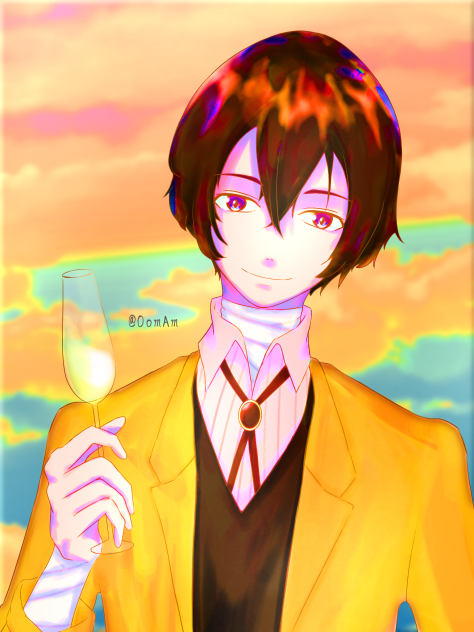
Clips of three men sitting inside a dimly lit underground bar clinking whiskey glasses have suddenly taken over digital feeds worldwide. The phrase "ストレイ ドッグ に 乾杯" (Stray Dogs ni Kanpai, or "A Toast to Stray Dogs") experienced a massive resurgence across global fandoms throughout early 2026. What started as an emotional scene in the franchise's second season has transformed into a focal point for intense narrative debate, propelled by new manga plot revelations and anniversary retrospectives from studio Bones.
For longtime followers of Kafka Asagiri's franchise, this brief line represents far more than clever wordplay. It anchors the tragic heart of the Dark Era arc, explains Osamu Dazai’s complex psychology, and foreshadows the high-stakes ideological battles playing out in the series today. A single toast uttered beneath the streets of Yokohama holds the key to understanding where the story began and where it must inevitably conclude.
📌 Key Takeaways:
- The Viral Resurgence: A renewed surge of fan analysis surrounding late-stage manga revelations has put the spotlight back on the franchise's seminal Dark Era backstory.
- The Historical Anchor: The scene directly adapts an iconic 1946 photograph of Japan's real-life Buraiha literary trio, Osamu Dazai, Sakunosuke Oda, and Ango Sakaguchi, taken at the actual Bar Lupin in Ginza.
- The Core Turning Point: Sakunosuke Oda's dying words give the toast its weight, providing the sole catalyst for Dazai abandoning the Port Mafia to join the Armed Detective Agency.
The Underground Ginza Roots Behind the Buraiha Trio
The cultural resonance of the toast begins decades before Kafka Asagiri wrote the first script. In December 1946, photographer Tadahiko Hayashi stepped into Bar Lupin, a quiet drinking establishment operating in Tokyo's Ginza district. There, sitting along the counter, were the three leading figures of Japan’s postwar decadence school, the Buraiha: Osamu Dazai, Sakunosuke Oda, and Ango Sakaguchi. Hayashi captured a series of raw, unguarded portraits that came to define Japan’s postwar literary counterculture.
When Asagiri launched Bungo Stray Dogs alongside illustrator Sango Harukawa, this historical counterculture served as the thematic bedrock for the characters. The fictional Port Mafia backstory brings these three figures together not as celebrated authors, but as marginalized operatives moving through criminal syndicates and government intelligence agencies. Fictional Dazai acts as the mafia's youngest executive, Ango operates as an intelligence double-agent, and Oda, affectionately called "Odasaku", refuses to take a human life while working bottom-tier cleanup jobs.
Their meeting ground inside the anime adaptation remains an exact, architectural replica of the real Ginza bar. Red barstools, wood-paneled walls, and the ambient clinking of heavy glassware frame their interactions. They drink not to celebrate victory or authority, but to acknowledge their collective isolation from standard society. They are outcasts who understand that their quiet camaraderie exists on borrowed time.
The Hidden Resonance of Season 2 Episode 13
The specific toast took place on screen in October 2016, during the premiere of Bungo Stray Dogs Season 2, officially numbered as Episode 13. Directed by Takuya Igarashi and produced by studio Bones, the four-episode Dark Era prequel disrupted standard pacing by halting the primary Atsushi Nakajima storyline to stage a bleak, noir-drenched tragedy.
During the scene, Dazai raises his glass and asks what they should toast. Oda counters with a quiet observation: to the things that cannot be replaced, or simply to their current reality. Dazai settles on the definitive phrase: "A toast to the stray dogs" (Stray Dogs ni Kanpai). The exchange functions as a meta-textual baptism for the entire franchise title, yet its dramatic irony cuts deep on rewatch.
Behind the casual clinking of glassware, an intricate web of betrayal had already started spinning. Port Mafia boss Ogai Mori had already calculated the pawn sacrifices necessary to obtain a Special Division Gifted Operations permit. Ango's dual identity as a government mole was already unspooling, and the extremist organization Mimic was advancing toward Yokohama. The warmth of that underground room stood as the final calm before Oda's world was systematically annihilated.
The Evolution of Dazai's Alliances Across the Canon
The transition of Osamu Dazai from an unfeeling underworld tactician to an eccentric protector at the Armed Detective Agency forms the emotional spine of the franchise. That entire arc traces back directly to the Buraiha trio's collapse.
| Narrative Phase | Key Dynamic & Setting | Psychological Anchor |
|---|---|---|
| Pre-Dark Era (Age 15, 17) | Port Mafia executioner; dynamic partnership alongside Chuya Nakahara. | Complete nihilism, suicidal ideation, viewing human violence as an attempt to feel genuine emotion. |
| The Dark Era (Age 18) | Bar Lupin meetings alongside Sakunosuke Oda and Ango Sakaguchi. | Fleeting solace among fellow outcasts; fragile balance broken by Mori's political stratagems. |
| The Transition (Age 18, 20) | Two-year underground disappearance; background screening assisted by Chief Santoka Taneda. | Adherence to Odasaku's dying mandate; severing violent habits to qualify for legitimate public life. |
| Main Timeline (Age 22, Present) | Senior operative within Yukichi Fukuzawa's Armed Detective Agency. | Mentoring Atsushi and Akutagawa; counterbalancing existential emptiness by staying on the side that saves people. |

Odasaku's Dying Words: Deconstructing the Stray Dog Philosophy
The true weight of the toast emerges during the Odasaku death scene at the climax of the arc. Mortally wounded following his duel with Mimic leader André Gide, Oda collapses onto the rubble. Dazai arrives too late, desperate to keep his only real confidant alive. What follows redefined Dazai's character arc forever.
Oda explains a fundamental reality that Dazai refused to face: whether a person chooses the side of justice or the side of evil, nothing will ever completely fill the void inside human loneliness. Because both paths are fundamentally equal in their inability to cure existential despair, Oda delivers his parting request: "If either side is the same to you, become a good person. Save the weak, protect the orphaned. Neither good nor evil means much to you, I know... but that would make you at least a little bit better."
That dying statement unravels the exact meaning behind their earlier toast. A "stray dog" is someone stripped of societal belonging, driven entirely by instinct, wandering without a native home. In raising their glasses, they were acknowledging their shared status as wanderers lost in a world that offered them no purpose. Oda realized that while Dazai could never cure his inner darkness, he could consciously choose where to direct his destructive genius.
Why the Quote Resurfaced Across 2026 Discussions
The viral resurgence of "ストレイ ドッグ に 乾杯" is not a random nostalgia spike. As the franchise's overarching manga narrative deepens its exploration of the mystical "Book" and the international fallout from the Decay of Angels conflict, Asagiri has repeatedly invoked Dazai's earliest motivations.
Recent serialization chapters sparked widespread discussion across Reddit forums and Japanese community boards like 5channel. Readers noticed subtle narrative mirrors in how Dazai manipulates contemporary adversaries, notably Fyodor Dostoevsky. Despite operating with the same ice-cold calculations he displayed at age eighteen, Dazai's maneuvers now serve the protective purpose Odasaku requested with his final breath.
Online video essays and social media edits matching Hayashi's 1946 archival photography with high-frame-rate clips of the Bar Lupin sequence gained millions of views across early 2026. Audiences rediscovered that Bungo Stray Dogs is not merely a show about kinetic superpower duels; it is an extended philosophical meditation on grief, chosen family, and the brutal process of rebuilding oneself after catastrophic loss.
Frequently Asked Questions (FAQ)
Q1: What does "ストレイ ドッグ に 乾杯" literally mean?
A1: Translated from Japanese, the phrase means "A toast to the stray dogs" (Stray Dogs ni Kanpai). It serves as the franchise's thematic self-definition, emphasizing that its characters are flawed outcasts searching for meaning on the fringes of society.
Q2: Did the real-life Japanese authors actually meet at Bar Lupin?
A2: Yes. Osamu Dazai, Sakunosuke Oda, and Ango Sakaguchi met regularly at Bar Lupin in Tokyo's Ginza district during the postwar era. Photographer Tadahiko Hayashi captured their famous counter portraits there in December 1946, just weeks before Oda passed away in January 1947.
Q3: Why was Oda's death the only reason Dazai left the Port Mafia?
A3: Dazai originally joined the Port Mafia believing that immersing himself in human bloodshed and base impulses would help him understand the reason to live. Oda understood Dazai's mind completely and pointed out that violence would never answer his existential emptiness. Oda's dying plea gave Dazai a tangible reason to choose the side that saves lives instead.
The Enduring Ghost in Dazai’s Glass
A decade after the Dark Era arc was animated, that quiet toast remains the emotional center of Bungo Stray Dogs. It proves that the franchise's greatest strength has never been its explosive ability battles, but its tender understanding of human brokenness.
As the series moves forward into uncharted conflicts, the memory of Bar Lupin continues to guide every step Osamu Dazai takes. Three men sat in the quiet dark of an underground bar, raised their glasses, and embraced their fates as lost wanderers. Even when the room cleared, the glasses emptied, and two of those friends were gone forever, the promise made beneath the Ginza streets still stands.