Why Is Kushikatsu Arata Kanda Suddenly Everywhere? The Hidden Buzz Behind Tokyo's Skewer Sensation
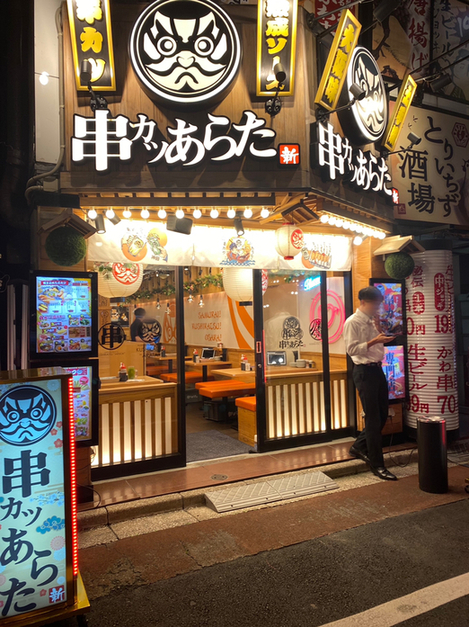
Just past 6:30 PM beneath the elevated tracks of Kanda Station, the scent of sizzling lard and sweet-tart Worcestershire sauce cuts through the evening mist. Commuters in dark trench coats peel away from the train platforms, bypass the usual corporate yakitori joints, and pack shoulder-to-shoulder into Kushikatsu Arata. Over the past twelve months, this vibrant outpost has transformed from a neighborhood watering hole into a viral sensation across Tokyo’s izakaya circuit.
Food scouts, local salarymen, and international travelers now routinely queue along Kajicho’s brick walkways for a turn at the stainless steel counter. While casual fried food is everywhere in Chiyoda, Arata has tapped into an insatiable appetite for authentic Kansai street cooking executed with surgical culinary precision.
📌 Key Takeaways:
- The Phenomenon: Kushikatsu Arata Kanda has ignited social media and word-of-mouth dining circles by delivering Osaka’s working-class comfort food with premium izakaya technique.
- The Core Technique: The kitchen relies on micro-ground panko, an aerated ice-cold batter, and a high-temperature beef tallow blend that repels excess oil.
- The Dining Reality: Operating on low per-skewer margins and rapid 45-minute seat turnarounds, the shop balances dirt-cheap seasonal bites with premium wagyu splurges.
The Kansai Fryer Migration to Tokyo's Working-Class Rail Arches
Kanda has long served as Tokyo's functional pantry for unpretentious drinking. Historically dominated by grilled offal bars, standing soba counters, and draft beer joints catering to Chiyoda’s office workforce, the district's nightlife market demands ruthless value. Kushikatsu, the skewered, deep-fried street food born in Osaka’s Shinsekai district during the late 1920s, often struggled in Tokyo when corporate chains diluted the recipe into thick, greasy bar fare.
Kushikatsu Arata inverted that trajectory. Originating with roots grounded in Kansai tradition before refining its footprint across central Japan, the brand landed in Kanda with an uncompromising focus on frying mechanics. Instead of treating skewers as cheap fuel to wash down mass-market draft beer, Arata treats the fry station as a precision workstation.
The room reflects that intensity. Yellow crate stools, vibrant paper lanterns, and handwritten wood placards establish an approachable retro atmosphere. Yet behind the counter, cooks track oil temperatures with laser thermometers and handle orders with the timing of a tempura master. The contrast between gritty street food energy and disciplined culinary execution turned the shop into an overnight sensation among Chiyoda's notoriously picky after-work crowd.
The Physics of the Batter: Why Arata’s Skewers Never Feel Heavy
Most fried street snacks hit the stomach like an anchor. Arata’s runaway popularity stems almost entirely from grease mitigation, a feat of culinary physics that keeps diners ordering a second and third round of wooden skewers.
Standard izakaya chains dredge skewers in standard commercial wheat slurry and coarse breadcrumbs. Arata utilizes an ultra-fine, dust-like panko ground to a fraction of standard flake sizes. The wet batter incorporates ice-chilled carbonated liquid and low-gluten flour, mixed in small, frequent batches to prevent gluten development. When a cold skewer hits the fryer vat, moisture flash-steams outward. This vapor barrier creates microscopic air pockets within the crust while completely preventing oil from seeping into the core ingredients.
The oil medium itself provides the second critical advantage. Arata uses a proprietary blend of pure vegetable oil and high-smoke-point beef tallow (hetto). The animal fat lends an unmistakable savory aroma reminiscent of vintage Tsutenkaku alleyways, while the vegetable component ensures clean heat transfer at temperatures hovering between 175°C and 180°C (347°F, 356°F).
Take a bite of their lotus root or seasonal quail egg: the crust fractures with a delicate, dry crunch rather than a soggy crunch. Diners routinely clear 15 to 20 skewers without the greasy fatigue common at run-of-the-mill fry shops.
Field Economics and Menu Dynamics at Kushikatsu Arata Kanda
Dining at Arata remains remarkably affordable, though the ticket prices climb depending on how heavily you lean into wagyu and seasonal seafood. The table below breaks down the core menu categories, technical executions, and current price points observed across peak operating hours:
| Category & Item | Culinary Execution | Price Point (2025, 2026) | Pairing Recommendation |
|---|---|---|---|
| Wagyu Beef Katsu | A4/A5 marbled cubes, Flash-fried 45 seconds to medium-rare | ¥380, ¥450 ($2.50, $3.00) | Dry Super Nikka Highball |
| Classic Kushikatsu Pork | Pork loin with scallion spacer, ultra-crisp outer coat | ¥150, ¥190 ($1.00, $1.25) | Draft Malt Lager |
| Seasonal Vegetables | Thick-cut lotus root, sweet onion, or spring asparagus | ¥120, ¥180 ($0.80, $1.20) | Mugicha or Lemon Sour |
| Specialty Cheese / Mochi | Gouda core wrapped in shiso leaf, melted center | ¥220, ¥260 ($1.45, $1.75) | Dry Ginger Highball |
| Osaka Dote-yaki | Slow-simmered beef sinew in sweet white miso and mirin | ¥480, ¥550 ($3.20, $3.65) | Honjozo Sake (Warm) |
The economics rely entirely on customer volume and drink orders. A diner can assemble a substantial spread of eight skewers, a bowl of dote-yaki, and two highballs for roughly ¥3,200 ($21.00). In Tokyo's current dining landscape, finding hot, hand-prepared specialty meat and seasonal produce at this price point inside the Yamanote loop is increasingly rare.

Sauce Etiquette, Counter Culture, and the Cabbage Secret
No conversation about authentic Osaka skewers is complete without addressing the house dipping sauce. The golden rule of traditional kushikatsu, nidozuke kinshi (no double-dipping), remains a cornerstone of the dining philosophy here.
While public health protocols across the industry forced many Tokyo establishments to swap communal stainless steel sauce troughs for plastic squeeze bottles, Arata honors the original ritual through single-service sauce vessels or strictly monitored individual dip trays. The sauce itself is thin, vinegary, and infused with dashi, dried kelp, and fruit sugars. It cuts cleanly through fat rather than smothering the skewer in cloying sweetness.
Then there is the raw cabbage.
Plates of rough-torn cabbage wedges hit the counter the moment you sit down. Novices mistake them for a throwaway garnish. Seasoned izakaya veterans use them for two vital jobs:
- The Edible Spoon: If you need extra sauce on a skewer you have already bitten into, dip a clean cabbage leaf into your sauce tray and spoon the liquid over the meat.
- The Palate Reset: The raw fiber and natural sweetness cleanse oil from the tongue between hot bites, priming your palate for the next skewer.
The counter seating creates a participatory atmosphere. Skewers arrive straight from the fryer basket onto elevated wire draining racks set directly in front of diners. You eat them within thirty seconds of landing, when the internal steam is still actively cooking the meat.
Navigating the Kanda Nightlife Rush: Reservations and Pairing Tactics
Securing a seat at Kushikatsu Arata Kanda requires basic tactical timing. The izakaya sits within walking distance of Kanda Station's West and South exits, making it a prime gathering point for both early diners and late-night revelers.
The shop operates a hybrid seating model. While walk-in counter seats are held for solo diners and duos, tables for groups of three or more often book out days in advance through Japanese table-booking apps during midweek peak hours (6:00 PM to 8:30 PM).
For the smoothest experience, arrive right at opening (5:00 PM) or during the late-shift transition around 9:15 PM, when the first wave of office workers vacates their spots. The service pace is brisk; counter seats typically turn over in 45 to 60 minutes.
When ordering drinks, bypass overly sweet cocktails. The carbonation and high acidity of a bone-dry whisky highball, served in chilled mugs with heavy ice, scrape fat residue off the tongue, highlighting the beef tallow's richness. If whisky is off your table, a crisp, unsweetened lemon sour or draft lager serves the exact same functional purpose.
Frequently Asked Questions (FAQ)
Q1: What is the official stance on sauce double-dipping at Kushikatsu Arata Kanda?
A1: Arata strictly enforces the traditional "no double dipping" rule. Depending on table setup and seating style, guests receive either individual dipping trays or specialized pour vessels. Diners are expected to coat the skewer once thoroughly before eating, using fresh cabbage leaves to spoon extra sauce if needed.
Q2: Can vegetarian or pescatarian diners eat comfortably here?
A2: While the menu offers a wide variety of seasonal vegetable skewers (shiitake, lotus root, eggplant, onion) and seafood (shrimp, squid, kisu fish), diners should note that the fryers use a blended oil containing beef tallow (*hetto*). Strict vegetarians and vegans should be aware that all skewers share fry vats flavored with animal fat.
Q3: Do I need a reservation to get a seat at the Kanda branch?
A3: Walk-ins are common and welcomed, especially for solo eaters and pairs willing to sit at the counter. However, if you are visiting with a group of three or more between 6:30 PM and 8:30 PM on Wednesday through Friday, reserving several days ahead via local dining portals is strongly advised to avoid long waits.
The Enduring Pull of Kansai Comfort in Tokyo's Corporate Core
The buzz surrounding Kushikatsu Arata Kanda is not the byproduct of flashy marketing gimmicks or gimmicky food trends. It thrives because it delivers honest culinary craftsmanship in a neighborhood that values substance over style. By refining the physics of the fry vat, honoring Kansai street food heritage, and keeping price points accessible to ordinary workers, the shop has carved out a permanent home under the railway arches. For anyone navigating Chiyoda's neon-lit corridors in search of a hot bite and a cold drink, Arata’s crackling wire racks remain essential stops on Tokyo's culinary map.