Why Is Yataizushi Nishi-Eifuku Suddenly Swarmed? The Truth Behind the Viral Surge

Why Is Yataizushi Nishi-Eifuku Suddenly Swarmed? The Truth Behind the Viral Surge
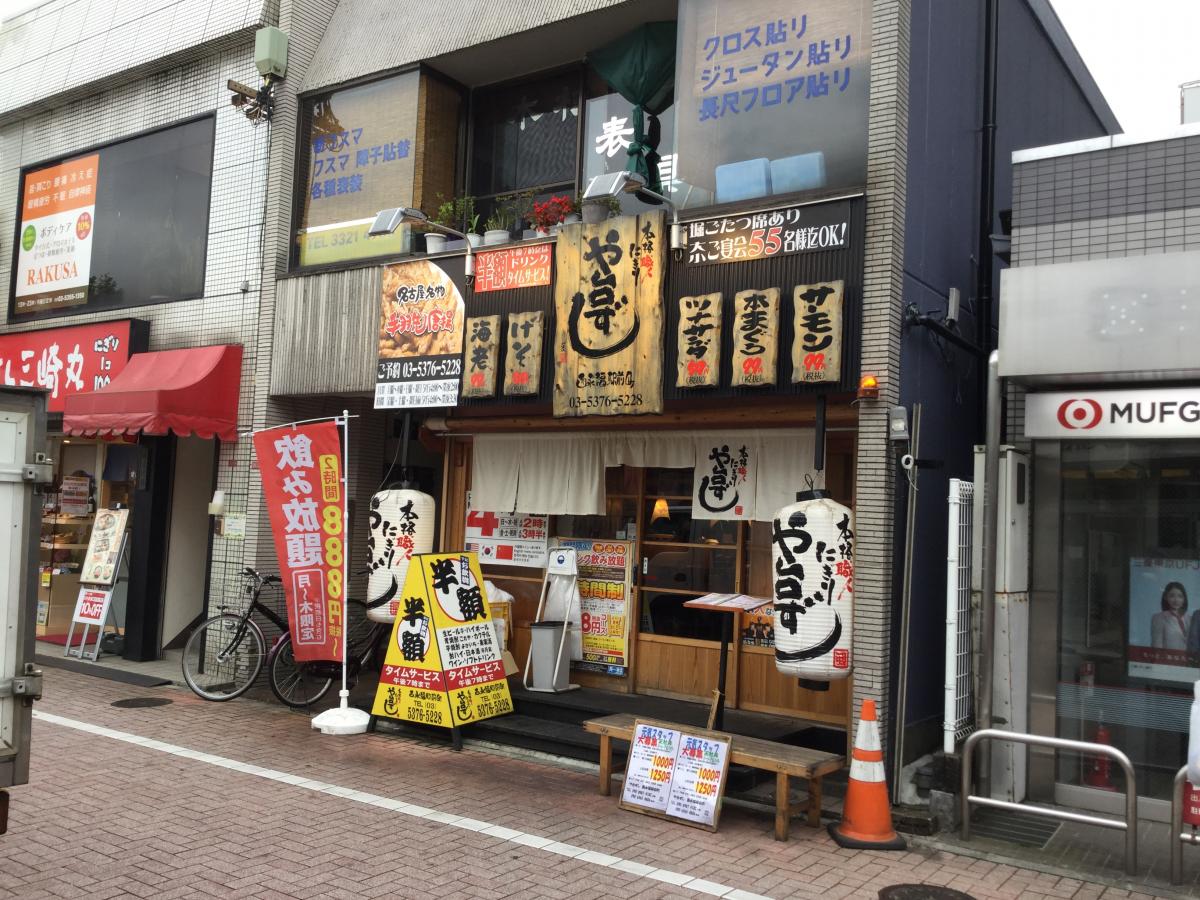
Step off the train at Nishi-Eifuku Station on Tokyo's Keio Inokashira Line at 6:30 PM, and you will notice a stark shift in foot traffic. Commuters who used to bypass the quiet residential shopping street now angle directly toward the illuminated lanterns of Yataizushi. In neighborhood izakaya culture, immortalized in Japanese culinary television and adaptations documented on The Solitary Gourmet, the suburban corner tavern serves as an everyday emotional refuge. Yet the recent scene outside the Yataizushi Nishi-Eifuku branch looks more like a central Shibuya concert hall queue than a sleepy residential eatery.
The sudden influx has left neighborhood locals and train commuters asking what triggered the rush. The surge stems from aggressive operational discounting, a menu model engineered to undercut soaring food inflation, and hyper-local word of mouth across Tokyo's western suburbs.
📌 Quick Summary:
- Core Driver: Daily 50% discount windows on draft beer, highballs, and sours intersect with low-margin raw fish plates, creating unbeatable price-to-volume ratios.
- Corporate Strategy: Parent firm Yossix deliberately targets non-express commuter stations along suburban train lines, capturing price-sensitive diners fleeing inner-city price hikes.
- Neighborhood Reality: While wait times peak sharply between 6:30 PM and 8:30 PM, smart local diners avoid lines by arriving before 5:30 PM or after 9:30 PM.
The Quiet Commuter Enclave Meets Nagoya's Value Engine
Nishi-Eifuku has historically operated at a slower pace than its louder neighbors, Kichijoji and Shimokitazawa. Nestled in Suginami Ward, the district is primarily a tranquil bedroom community known for historic shrines and quiet bakeries. When Nagoya-based restaurant conglomerate Yossix Co., Ltd. secured retail space steps from the station gate, it imported an aggressive hospitality model built on high turnover and low ticket prices.
Yossix built its empire across Japan by pairing two distinct dining categories: traditional hand-pressed nigiri sushi and regional Nagoya comfort food. At Nishi-Eifuku, this combination fills an immediate gap. Independent sushi counters in Suginami frequently run dinner tabs above ¥8,000 to ¥12,000 per person. Yataizushi delivers fresh seafood, Nagoya-style tebasaki chicken wings, and warm hospitality at an average check of just ¥2,500 to ¥3,500. That economic gap turned the branch into an immediate neighborhood magnet.
The Happy Hour Pricing Mechanism Driving Weeknight Crowds
The primary catalyst for the nightly line outside the door is straightforward: an aggressive, daily half-price drink policy. Running from 4:00 PM until 7:00 PM every single evening, including weekends, the house cuts the price of standard alcoholic beverages by exactly 50%. A frosty mug of draft beer, standard highballs, and Japanese fruit sours drop into the ¥200 to ¥270 range.
In a metropolitan dining market battered by post-2024 ingredient and logistics inflation, securing quality draft beer at sub-convenience-store prices inside a seated izakaya creates irresistible consumer pull. Office workers transiting between Shibuya and suburban transfer hubs deliberately step off the train early at Nishi-Eifuku to beat the 7:00 PM price cutoff. Tables order drinks in rapid succession, pairing them with individual pieces of nigiri starting at ¥65 per piece. By the time primary dinner hours arrive, the storefront queue spills out along the pavement.
Evaluating the Spread: Nigiri Precision Versus Izakaya Fryer Staples
Public chatter on social platforms frequently debates whether a budget sushi chain can balance raw seafood quality with fried tavern fare. A close look at ordering patterns across the dining room reveals clear customer favorites and items best skipped.
| Menu Category | Price Range (JPY) | Customer Satisfaction / Operational Profile |
|---|---|---|
| Hand-Pressed Nigiri | ¥65, ¥329 per piece | High. Prepared live behind the bar; seasonal tuna, salmon, and sea bream show surprising freshness. |
| Nagoya Tebasaki Wings | ¥539 (5 pieces) | Exceptionally high. Heavy black pepper glaze and crispy skin make this the top-rated table appetizer. |
| Seafood Offcuts & Salads | ¥549, ¥769 | Mixed. Portions are large, but dressing can overpower delicate white-fleshed fish cuts. |
| Late-Night Boiled Dishes (Araidaki) | ¥659, ¥879 | High value. Rich soy-dashi braised fish collars; limited daily quantities run out early. |
The hand-pressed nigiri outperforms rotating conveyor-belt chains because seasoned chefs assemble the pieces behind the bar rather than relying on automated molding machines. The rice temperature remains warm enough to highlight the cut of raw fish, avoiding the icy, stiff texture that plagues standard budget chains.
Customer Sentiment and Community Friction Along the Keio Line
Online reviews across Japanese dining aggregators reflect wide enthusiasm tempered by practical frustrations. Diners praise the hospitable staff, rapid drink service during happy hour, and child-friendly booth layout. Families living in Suginami Ward regularly bring young children early in the evening, enjoying affordable nigiri sets while parents take advantage of discount beer.
The friction point is crowding. The physical footprint of the Nishi-Eifuku shop cannot accommodate endless demand. Peak hours between 6:30 PM and 8:30 PM regularly generate 30-to-45-minute wait times. Because the tavern serves as an open-ended drinking den rather than a quick-turnover noodle counter, predicting when a party will vacate a booth is difficult. Some neighborhood regulars voice annoyance over the boisterous sidewalk noise, while late-evening solo diners arrive only to find seasonal sashimi items sold out.
Strategic Survival: How to Navigate the Peak Crowds
Securing a seamless meal at Yataizushi Nishi-Eifuku requires timing your arrival around commuter waves. Those who show up unprepared during prime dinner windows face long sidewalk waits.
If your schedule allows, arrive between 4:00 PM and 5:15 PM. You will claim immediate counter seating, benefit from full inventory on fish collars, and enjoy nearly two hours of half-price drinks without shouting over a packed room. Solo diners frequently find single bar stools open around 7:30 PM, as solo workers finish early sets and head home.
The second reliable entry window opens after 9:15 PM. The dinner family rush clears out, freeing booths for late-night drinkers and shift workers. Since the kitchen operates late into the night, lingering over midnight sashimi and tebasaki remains relaxed, provided you accept that certain limited daily catches may already be gone.
Frequently Asked Questions (FAQ)
Q1: What are the exact hours for the half-price drink promotion at Yataizushi?
A1: The standard half-price happy hour runs daily from 4:00 PM to 7:00 PM, covering draft beer, highballs, and standard sours. Certain premium craft sake, bottled beers, and specialty cocktails are excluded from the discount.
Q2: Can you make table reservations at the Nishi-Eifuku location?
A2: Yes, phone reservations and select digital booking slots are accepted for groups, but they are capped during peak hours (6:30 PM, 8:30 PM) on Fridays and weekends. Walk-ins fill open tables quickly.
Q3: Is the sushi made by real sushi chefs or automated machines?
A3: Yataizushi employs dedicated staff who press each piece of nigiri by hand to order behind the counter, rather than using robotic rice-forming dispensers standard in automated kaitenzushi outlets.
The Evolving Role of Suburban Tokyo Izakayas
The enduring buzz around Yataizushi Nishi-Eifuku illustrates a broader structural shift in how Tokyo residents spend their dining budgets. The era of taking expensive, multi-stop drinking excursions in congested hubs like Shinjuku or Roppongi has receded for many suburban households. Instead, value-conscious diners demand satisfying sushi, regional specialties, and affordable drinks steps from their home train stations. By turning suburban commuter stops into lively dining destinations, Yataizushi proves that straightforward execution and rock-bottom drink prices remain the ultimate recipe for a packed dining room.