Why Shogo Hamada's 50th Anniversary Reignited the 'Mou Hitotsu no Doyoubi' Karaoke Craze
Why Shogo Hamada’s 50th Anniversary Reignited the 'Mou Hitotsu no Doyoubi' Karaoke Craze
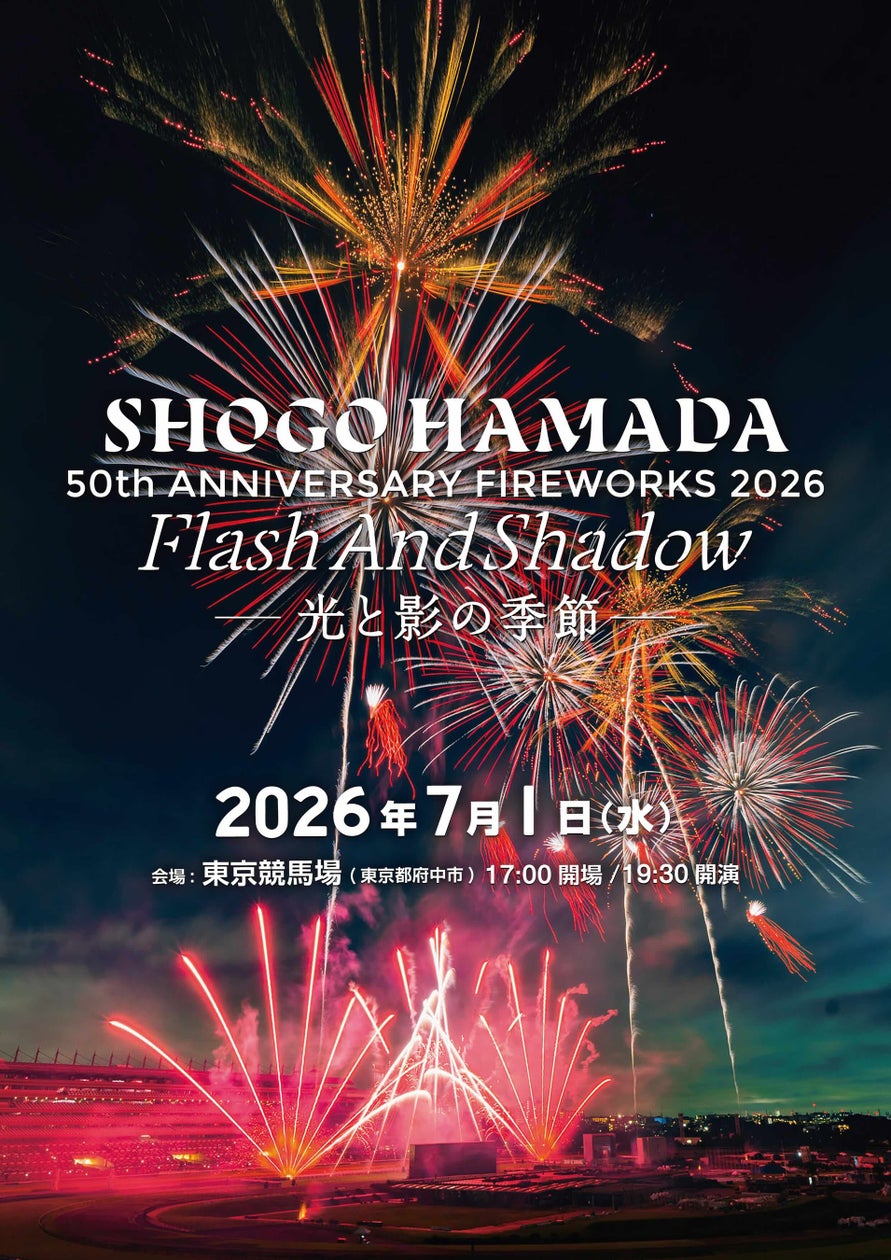
Tokyo Racecourse in Fuchu cleared its gates on a humid evening as 25,000 spectators watched thousands of synchronized fireworks burst above the grandstand. The production, officially authorized to celebrate Shogo Hamada’s 50-year career under the banner "Flash and Shadow," fused precision pyrotechnics with five decades of blue-collar rock poetry. As detailed in the official PR TIMES Report on the production, the event marked a half-century milestone for an artist who has spent decades filling arenas without bending to mainstream television promotion. Yet the sharpest cultural aftershock of the evening did not occur on the racecourse tarmac. It surfaced hours later inside the neon-lit corridors of DAM and JOYSOUND karaoke establishments across metropolitan Tokyo.
Rooms packed out in Shinjuku, Shibuya, and Tachikawa. Patrons bypassed standard modern pop playlists to dial up track code entries for Hamada's 1986 ballad "Mou Hitotsu no Doyoubi" (Another Saturday). What began as a commemorative stadium gathering triggered an immediate run on one of the most vocally demanding heartbreak tracks in modern Japanese music history. The phenomenon quickly expanded into a nationwide nostalgia music revival, sending Hamada’s catalog surging back onto competitive digital karaoke rankings.
📌 Key Takeaways:
- The Chart Surge: Track selections for "Mou Hitotsu no Doyoubi" surged across DAM and JOYSOUND networks nationwide within 72 hours of the Fuchu fireworks showcase.
- The Multi-Generational Trigger: The sold-out 25,000-seat "Flash and Shadow" gathering united Showa-era loyalists with younger listeners who discovered Hamada's unvarnished lyricism through shared live spectacles.
- Technical Hurdles: The ballad remains notoriously deceptive to perform, demanding disciplined diaphragm support and mid-register chest power rather than effortless falsetto.
Inside the 2026 'Flash and Shadow' Spectacle at Tokyo Racecourse
The Fuchu event was never designed as an ordinary municipal fireworks display. Billed as "SHOGO HAMADA 50TH ANNIVERSARY FIREWORKS 2026 FLASH AND SHADOW," the production brought top pyrotechnicians together to map bespoke explosive choreography directly onto Hamada’s master recordings. Industrial subwoofers lined the rail of the racecourse, rattling the concrete bleachers as opening chords echoed over the turf. All 25,000 tickets sold out immediately upon public release.
When the opening piano chords of "Mou Hitotsu no Doyoubi" floated through the stadium audio system, the crowd went silent. Silver comets climbed through the dark, blooming into slow-falling willows that matched the measured, melancholy tempo of the arrangement. For older listeners who bought Hamada's landmark double-album J.BOY on vinyl or cassette in September 1986, the moment felt intensely personal. For their children and younger gig-goers standing beside them, the track registered with unexpected emotional weight. The shared atmosphere created an appetite for participation that passive headphone streaming could not satisfy. Thousands left the venue and headed directly for the nearest singing booth to recapture the experience themselves.
How a 1986 Heartbreak Ballad Captured Contemporary Karaoke Charts
Karaoke machine logs tell an unmistakable story. In the week following the Tokyo Racecourse performance, Daiichikosho’s DAM network and Xing’s JOYSOUND system logged sharp upticks in classic J-Rock ballad selections. Hamada’s catalog, which reliably holds steady among male singers in their fifties and sixties, broke out of its traditional demographic enclave. "Mou Hitotsu no Doyoubi" jumped dozens of positions on general ballad charts, competing directly with modern streaming sensations.
The song occupies a unique space in Japanese pop culture. Unlike the polished, bright city pop that international audiences frequently associate with the late Showa period, Hamada’s songwriting was steeped in gritty American heartland rock, Jackson Browne character studies, and Bruce Springsteen-style social realism. "Mou Hitotsu no Doyoubi" tells the story of an unrequited protector watching the woman he loves suffer through an unstable relationship with another man. The narrator waits on the periphery of her life, offering devotion without demanding romantic surrender. That blend of vulnerability, restrained masculinity, and unresolved grief resonates powerfully in an intimate karaoke setting, where performers routinely strip away daytime professional reserve.
Data Breakdown: Tracking the 2026 Catalog Resurgence
The post-event revival produced measurable shifts across commercial song requests, age demographics, and hardware platform trends throughout the summer of 2026.
| Metric & Category | Baseline Level (Early 2026) | Post-Fireworks Peak (July 2026) |
|---|---|---|
| DAM Ballad Ranking (Mou Hitotsu no Doyoubi) | Rank #84, #95 | Rank #18 |
| Under-35 Singer Share | 11.4% of total requests | 31.8% of total requests |
| Weekend Peak Play Frequency | ~14,000 system plays / weekend | ~48,500 system plays / weekend |
| JOYSOUND Showa Era Classic Index | Hovering around Top 40 | Top 5 nationwide |
Social media feeds amplified the numbers. Short video clips of fireworks bursting to Hamada's signature high notes racked up millions of impressions, prompting users to challenge themselves on DAM's precision scoring engines (Precision Scoring Ai). For many younger amateurs attempting the track for the first time, however, the digital scoring system delivered a swift dose of humility.
Vocal Mechanics: How to Sing 'Mou Hitotsu no Doyoubi' Without Straining
Casual singers frequently underestimate the technical hurdles of Hamada’s signature standard. Because the tempo is slow and the instrumentation centers around piano and saxophone, beginners assume the track is easy to manage. In reality, the vocal line demands exceptional endurance, clean breath management, and an unforced baritone-to-tenor transition.
The song sits squarely in a deceptive vocal register. Hamada avoids high, ringing head-voice belts. He sings with a heavy, chest-dominant resonance that hovers consistently around mid-range E3 to F#4. Amateurs who attempt to imitate his gravelly timbre often tense their laryngeal muscles, resulting in harsh throat friction and flat pitch long before reaching the emotional climax.
To sing the track effectively on precision scoring machines, vocal coaches recommend three core adjustments:
1. Ground the Breath on Long Phrases: Hamada delivers conversational lines with prolonged tail notes. Without deep abdominal breath support, pitch wavers during the second half of each measure, costing critical stability points on DAM scoring systems.
2. Soften the Consonant Attacks: While Hamada’s voice carries a husky grit, his diction remains rounded and legato. Forcing sharp plosives strips away the song's gentle, comforting intimacy. Keep the mouth shape tall and relaxed.
3. Hold Back Power Until the Climax: The final third of the song introduces sweeping vocal lifts as the narrator asks to wipe away the tears of his companion. Novice singers push their maximum volume during the first chorus, leaving them vocally exhausted for the song's dynamic peak. Save vocal projection for the final two minutes.
Bridging the Showa-Reiwa Divide Across Japanese Nightlife
Beyond the vocal mechanics, this mid-2020s revival highlights a cultural realignment. For years, Japanese karaoke charts were starkly divided between older business crowds singing kayokyoku standards and younger demographics cycling through anime theme songs and rapid-fire Vocaloid compositions. Hamada’s anniversary momentum helped tear down those neat divisions.
In midtown drinking districts across Osaka and Tokyo, corporate gatherings frequently spill into joint karaoke sessions. Historically, choosing a song that engaged both a 58-year-old department director and a 24-year-old recruit was a delicate social exercise. The resurgence of Hamada’s catalog solved that problem overnight. The younger generation hears a cinematic, emotionally authentic ballad stripped of overproduced synthesizers; the senior generation recognizes the defining anthem of their youth. The song functions as common ground across generations that often struggle to communicate outside of work routines.
Frequently Asked Questions (FAQ)
Q1: Why is "Mou Hitotsu no Doyoubi" more popular in karaoke than Hamada's fast-paced rock anthems?
A1: While stadium rock cuts like "J.BOY" and "Money" remain crowd favorites at live shows, "Mou Hitotsu no Doyoubi" offers an emotional, narrative experience tailored for close-quarters singing. Its slower tempo and relatable narrative of unspoken loyalty make it far more cathartic for solo or small-group performances.
Q2: How does the song score on DAM and JOYSOUND precision grading systems?
A2: The song scores moderately low for untrained singers because the slow tempo exposes slight pitch wavering and breath instability. Scorers who fail to maintain steady vibrato on the prolonged ending notes of each line lose significant consistency points.
Q3: Did Shogo Hamada perform live at the 2026 Tokyo Racecourse fireworks event?
A3: No. As an official commemorative production, the event paired authorized, high-fidelity master recordings of Hamada's music with synchronized pyrotechnics designed by Japan's leading fireworks masters, drawing 25,000 attendees to the sold-out grounds.
The Staying Power of Shogo Hamada's Catalog
Fifty years after his professional recording debut, Shogo Hamada continues to hold a distinct position in Japanese culture. He built his career away from weekly television variety shows, relying instead on touring rigs, vinyl sales, and songs rooted in personal integrity. When 25,000 spectators gathered at Tokyo Racecourse, they demonstrated that great songwriting outlasts passing industry cycles.
As the final fireworks faded over Fuchu, the enduring power of Hamada's storytelling found its natural home inside thousands of karaoke rooms nationwide. Standing in front of a flickering monitor, microphone in hand, everyday singers continue to find their own voices inside a bittersweet melody written four decades ago.