Why Takeda-Sensei's Speeches Are Considered the Emotional Backbone of Haikyu!!
Sports manga routinely celebrates fiery coaches, tactical masterminds, and superhuman athletes who conquer the court through sheer willpower. Yet when fans and critics discuss the emotional backbone of Haruichi Furudate’s volleyball epic, the conversation repeatedly returns to a soft-spoken modern Japanese literature teacher who cannot spike, set, or block a ball. Ittetsu Takeda, the Karasuno faculty advisor, arrived at the gym with zero technical knowledge of the game. Instead of pretending otherwise, he offered the Karasuno High volleyball club something rarer: an adult presence capable of contextualizing agony, failure, and ambition without ever trivializing high school athletics.
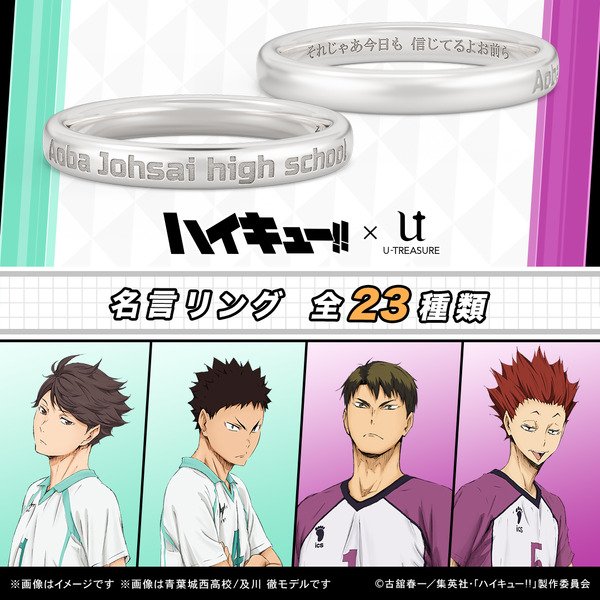
That profound narrative staying power continues to resonate across global pop culture. Years after the manga's conclusion, Furudate's dialogue still commands cultural real estate. Commercial releases highlight this enduring demand, from the character quote teacups spotlighted in an MSN Report covering merchandise collections to fine-jewelry lines by makers like U-Treasure featuring 23 character inscriptions through May 2026. Takeda’s lines stand shoulder-to-shoulder with the series’ flashiest aces. His words endured because they treat young athletes as complete human beings rather than mere winning machines.
📌 Key Takeaways:
- Philosophical Ballast: Takeda balances technical coaching with existential perspective, framing losses as vital data rather than identity-destroying failures.
- Institutional Tenacity: Despite having no athletic pedigree, Takeda secured the Tokyo training camp invitations and recruited Keishin Ukai through pure persistence.
- Athlete-First Duty of Care: His pivotal interventions, most notably pulling Hinata during his fever at Nationals, prioritize long-term human well-being over transient sporting glory.
From Clueless Faculty Advisor to Karasuno's Institutional Shield
When Takeda first takes charge of the club, Karasuno is widely regarded as a fallen powerhouse: the "flightless crows." Many faculty advisors in Japanese high school athletics function as paper pushers who sign budget requests and leave practice rooms unattended. Takeda chose radical vulnerability instead. Recognizing his own inability to teach jump serves or defensive rotation, he turned his energy outward to create the logistical conditions his players needed to thrive.
His tenacity drove the revival of the team. Takeda repeatedly visited the local Sakanoshita Store, practically begging Keishin Ukai to take over the head coaching post until the grandson of the legendary Ikkei Ukai finally caved. He drove across prefectures, bowed his head to rival coaches, and cashed in personal favors to arrange practice matches against powerhouse programs like Nekoma and Aoba Johsai. Takeda understood early that ambition without opportunity breeds stagnation. He provided the arena so the players and Ukai could focus entirely on the game.
Redefining Defeat: Why Being Weak Means Room to Grow
The turning point for Takeda’s role arrives in the aftermath of Karasuno's agonizing defeat against Aoba Johsai in the Inter-High preliminaries. The third-years stand shattered. Hinata and Kageyama sit immobilized in a diner, tears running into their rice bowls. Standard sports fiction usually deploys a furious locker-room harangue or an empty promise of vengeance. Takeda delivers a calm, devastating interrogation of athletic sorrow.
"Does losing prove you are weak?" Takeda asks his devastated squad. "Isn't losing a test? A test to see if you can stand back up after falling on your knees? If you remain on your knees, that proves you are weak."
This speech strips defeat of its toxic shame. Takeda frames defeat not as an indictment of character, but as an empirical checkpoint. By declaring that weakness merely represents proof that a player has vast room to grow, he gives teenage athletes permission to process grief without surrendering to despair. It shifted the psychological culture of Karasuno from fear of failure to an appetite for refinement.
The Anatomy of Guidance: Key Speeches Across the Journey
Takeda’s interventions were rarely improvised outbursts. They were calculated infusions of perspective delivered when adolescent tunnel vision threatened to derail the team. The table below outlines how his words systematically shaped Karasuno's campaign through the national tournament.
| Arc & Context | Core Quote / Message | Mentorship Impact |
|---|---|---|
| Inter-High Preliminaries (Post-Seijoh Loss) | "Does losing prove that you are weak? If you remain on your knees, that proves weakness." | De-stigmatizes athletic failure; redirects grief into the structural training required for the Tokyo expeditions. |
| Tokyo Training Arc (Evolution Friction) | "Color is what happens when you mix different elements... becoming something new." | Validates interpersonal conflict between Kageyama and Hinata as a necessary phase of technical transformation. |
| Miyagi Prefectural Final (vs. Shiratorizawa) | "The concept of height is an advantage, but it is not the only truth of volleyball." | Affirms Karasuno's unconventional play style against absolute individual strength. |
| Spring High Quarterfinals (Hinata's Withdrawal) | "Do not apologize. Look ahead. This moment is also volleyball." | Prioritizes long-term athlete preservation over immediate victory, teaching systemic self-care. |

The Spring High Intervention: Protecting Hinata Shoyo from Himself
Furudate’s finest narrative moment arrives during Karasuno’s quarterfinal match against Kamomedai at the Spring High National Tournament. Hinata Shoyo has played out of his mind. He has cracked open defenses, leaped past blockers, and reached the peak of his high school career. Then, his body shuts down. A 39-degree fever leaves him shivering on the bench.
Hinata begs to stay on the floor. He bows his head, weeping, apologizing to the upperclassmen whose high school careers depend on the set. Coaches in standard sports stories look away or let the star player make a heroic, self-destructive gamble. Takeda steps directly into the line of fire.
"You cannot stay," Takeda tells him plainly. He blocks the court and meets Hinata's gaze without an ounce of pity. Takeda explains that managing bodily limits, eating correctly, resting, and recovering are as fundamental to volleyball as leaping into the air. "Do not apologize," he commands. "Even this feeling of helplessness, even this heartbreak, this too is volleyball."
That scene defines Takeda’s pedagogical philosophy. High school tournaments end, but lives continue. By demanding that Hinata step off the court, Takeda refused to sacrifice a 16-year-old’s athletic future for a single tournament point. He taught Hinata that longevity requires humility before biological reality.
Why Furudate Made a Literature Teacher the Moral Center
The partnership between Keishin Ukai and Ittetsu Takeda represents one of the most balanced coaching duos in sports literature. Ukai brings tactical literacy, technical drills, and practical experience from the front lines. Takeda provides metaphor, emotional literacy, and institutional steadiness. When Ukai gets caught up in the fury of match points, Takeda supplies the macro lens.
Furudate deliberate choice of modern Japanese literature as Takeda's academic discipline explains his gift for language. Takeda views sports through the lens of human stories. To him, an error on the court is not a failure of character; it is a misplaced line in an ongoing sentence. When Karasuno’s players get overwhelmed by pressure, Takeda’s poetic clarity grounds them. He reminds them of who they were before the whistle blew, and who they will remain after the gymnasium lights click off.
Frequently Asked Questions (FAQ)
Q1: What is Ittetsu Takeda's most famous quote in Haikyu!!?
A1: His most celebrated quote comes after Karasuno's defeat against Aoba Johsai in Season 1: "Does losing prove you are weak? Isn't losing a test to see if you can stand back up after falling to your knees? If you remain on your knees, that proves you are weak."
Q2: Why did Takeda pull Hinata from the Kamomedai match at Nationals?
A2: Hinata developed an intense 39-degree fever due to overexertion and poor self-management. Takeda pulled him to protect his health and prevent career-threatening complications, stressing that bodily preservation and recovery are core athletic disciplines.
Q3: Did Takeda ever play competitive volleyball himself?
A3: No. Takeda had no prior volleyball background when assigned as the club's faculty advisor. He compensated by studying rules, asking questions, recruiting Keishin Ukai as technical coach, and organizing competitive training camps.
The Lasting Resonance of Karasuno's Quiet Guide
Sports stories frequently mistake volume for authority. They celebrate shouting coaches and explosive displays of dominance while treating contemplation as a liability. Takeda proves that quiet clarity often cuts deeper than anger. By treating his players with deep dignity and emotional seriousness, he built an environment where teenagers could confront their limits without crumbling.
Long after the final scores fade from memory, Takeda's central lesson endures. Falling down is inevitable on any court. The measure of an athlete, and a person, rests entirely on whether they choose to stand back up.