Why Toyoko Inn Tsu Station Is Suddenly Impossible to Book: The Truth Behind the Room Rush
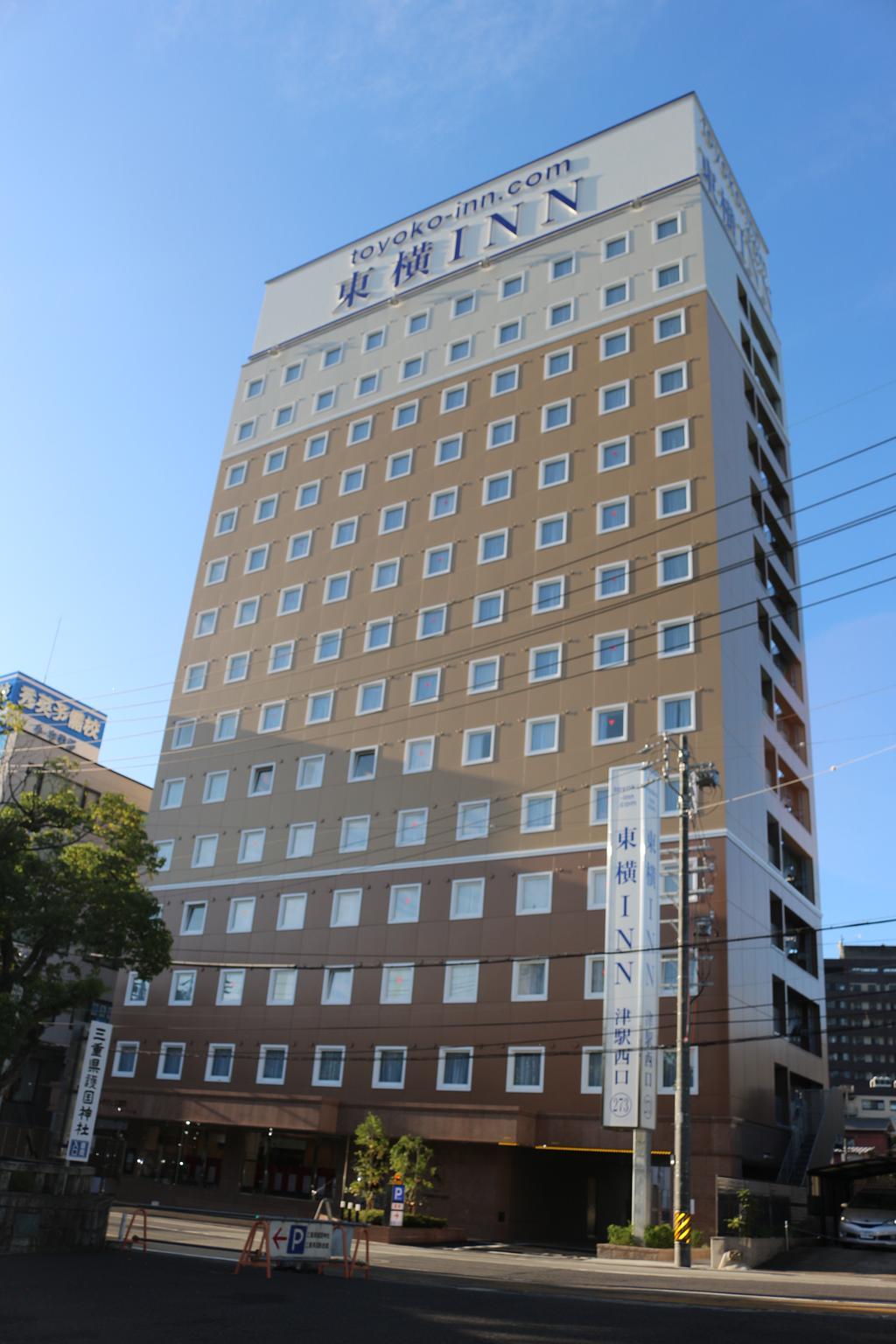
Travelers opening reservation engines to secure a bed in Mie Prefecture frequently encounter an unexpected barrier. Long stretches of the calendar for Toyoko Inn Tsu-eki Higashi-guchi display solid red blocks indicating zero vacancy. Tsu is rarely highlighted on international tourism itineraries alongside Tokyo or Kyoto, yet its premier economy lodging consistently fills to total capacity weeks, sometimes months, ahead of time.
The immediate culprit is a structural supply crunch. Tsu serves as the administrative seat of Mie Prefecture and a primary railway pivot point for central Japan. When major industrial gatherings, civil service rotations, and world-class motorsport events collide, this single lodging becomes the most contested patch of real estate between Nagoya and Ise.
📌 Key Takeaways:
- The Core Driver: Overflow demand from Suzuka Circuit motorsport weekends and year-round Mie Prefectural Office administrative business routinely absorbs local lodging supply.
- The Booking Gate: Toyoko Inn Club Card members reserve rooms up to six months out, effectively locking out non-members before public booking windows even open.
- The Sniping Strategy: Running a timed cancellation watch between 16:00 and 22:00 on check-in day yields the highest probability of catching last-minute corporate drop-offs.
The Dual Squeeze: Bureaucracy and Suzuka Motorsports
Tsu sits twenty minutes south of Suzuka Circuit. When Formula 1 arrives in spring or endurance bike races take over the asphalt in summer, Suzuka’s meager hotel footprint saturates instantly. Race teams, media crews, and domestic fans immediately shift southward along the rail line. Toyoko Inn Tsu-eki Higashi-guchi functions as the default overflow valve. A traveler stepping onto the platform at Tsu Station East Exit is just steps away from the hotel lobby, eliminating the need for expensive regional car rentals or long bus rides.
Midweek demand operates under a completely different, equally intense mechanism. Because Tsu hosts the Mie Prefectural Office alongside regional headquarters for utility, rail, and manufacturing firms, corporate travelers flood the station district from Tuesday through Thursday. While standard leisure hubs experience mid-week slumps, Mie Prefecture business hotels maintain peak mid-week occupancy. When corporate procurement teams secure blocks of rooms for civil servants and corporate engineers, the remaining inventory dries up overnight.
Transit Convergence: Kintetsu and JR Lines at Tsu Station
Logistics dictate lodging choices. Tsu Station boasts an unusual operational layout where private rail and national rail meet at a single, unified concourse. Kintetsu Nagoya Line transit carries passengers directly toward Nagoya or south to Ise-Shima and Kashikojima, while JR Kisei Main Line access connects riders to western Mie and the mountainous interior of Wakayama.
[ Nagoya / Chubu Centrair Airport ]
│
(Kintetsu Nagoya Line / JR Kansai Line)
│
▼
┌─────────────────────────────────┐
│ TSU STATION │
│ (JR Kisei & Kintetsu Line) │
└─────────────────────────────────┘
│
[ East Exit Walk: 1 Min ]
│
▼
┌─────────────────────────────────┐
│ Toyoko Inn Tsu-eki Higashi-guchi │
└─────────────────────────────────┘
/ \
▼ ▼
[Suzuka Circuit: 20 min] [Ise Grand Shrine: 40 min]
Commuters transferring between lines avoid the friction of urban center taxi queues. Exiting through the ticket gates toward the east puts travelers on the hotel's doorstep in under sixty seconds. For engineers carrying heavy diagnostic equipment or solo travelers navigating late-night connections, that proximity overrides any minor aesthetic advantages offered by boutique accommodations located further off the train corridors.
Cost-to-Value Realities in Mie Prefecture
The property's pricing discipline creates exceptional friction on inventory. While luxury ryokans in neighboring Ise command premium holiday rates, Toyoko Inn stabilizes its pricing model. Single room rates and amenities remain within strict corporate reimbursement allowances, featuring clean workspaces, pressurized shower units, modular humidifiers, and high-speed local Wi-Fi.
| Lodging Metric | Toyoko Inn Tsu East Exit | Station-Adjacent Competitors |
|---|---|---|
| Average Single Room Rate | ¥6,800, ¥8,900 | ¥9,500, ¥15,000 |
| Morning Meal Provision | Free breakfast buffet options included | ¥1,200, ¥2,000 add-on fee |
| Transit Footprint | 1-minute walk from East Exit gates | 3 to 10-minute walk |
| Vehicle Parking | On-site parking availability (~¥500, ¥1,000) | Third-party municipal lots only |
| Advance Booking Window | Up to 6 months (Members) | 3 months standard |
The complimentary morning meal acts as an operational efficiency anchor. Corporate personnel and early-shift racing marshals eat quickly on-site without seeking convenience stores in the rain. Free breakfast buffet options, typically including regional rice dishes, miso soup, pickled sides, rolled omelets, and bread selections, save both time and daily travel stipends.
The Membership Advantage That Depletes Public Inventory
Casual bookers browsing sites like Expedia or Agoda see empty calendars because the battle ended months earlier. Toyoko Inn Club Card early booking mechanisms grant cardholders access to reservations up to six months ahead, starting at midnight Japan Standard Time.
Non-members must wait until three months prior to check-in. By the time that general window unlocks, business road warriors and motorsport veterans have claimed the single-occupancy footprint. A racing fan targeting the Suzuka Grand Prix knows the exact date room dates release in October and sets an alarm. Casual travelers browsing in January for an April event encounter total blackout.
Add on-site parking availability to the equation, and pressure mounts further. Mie is an automotive heartland. Many traveling civil servants and contractors arrive via company sedans or work vans. Hotels lacking integrated parking garages lose corporate contracts immediately. Toyoko Inn’s multi-story lift parking structure accommodates these travelers at modest overnight fees, cementing the location as the preferred choice for commercial fleets.
Tactical Execution: Snagging Same-Day Cancellation Vacancies
Securing a sold-out room does not require booking half a year in advance if you understand corporate cancellation timelines. Japanese business culture mandates swift release of unneeded rooms once travel changes, and automatic penalty fee thresholds govern guest decisions.
09:00 JST ──── Morning meetings alter travel itineraries.
15:00 JST ──── Corporate admins review unconfirmed road trips.
16:00 JST ──── Cancellation waves hit Toyoko Inn app servers.
22:00 JST ──── Final deadline before late-cancellation penalty thresholds.
To run an effective same-day cancellation vacancy watch, monitor the proprietary Toyoko Inn mobile app rather than third-party aggregators. Third-party channels update inventories slowly through shared API feeds. The direct booking engine reflects room drops in real time.
Focus monitoring windows between 16:00 and 17:30 JST. Sales representatives often conclude customer visits earlier than anticipated, catch a late afternoon Limited Express back toward Nagoya, and drop their room to avoid company reimbursement discrepancies. A secondary inventory drop appears between 21:00 and 22:00. Solo travelers whose meetings stretch past train departure cutoffs dump their bookings before overnight non-arrival fees hit their credit cards. Speed is essential: rooms that reappear during these hours usually disappear within four minutes.
Frequently Asked Questions (FAQ)
Q1: Why is Toyoko Inn Tsu Station sold out when surrounding cities still have vacancies?
A1: Tsu Station serves as the direct junction between the Kintetsu Nagoya Line and JR Kisei Main Line, offering rapid direct rail transit to both the Suzuka Circuit area and the Mie Prefectural Office complex. Its combination of guaranteed desk spaces, affordable rates, and an immediate 1-minute walk from the East Exit makes it the first property booked by recurring business travelers and race event teams.
Q2: How does the Toyoko Inn Club Card give travelers an advantage in booking?
A2: Club Card holders can reserve rooms six months in advance via the official platform, whereas non-members can only reserve three months out. For peak events like Suzuka Circuit race weekends or spring business quarters, members claim high-demand weekends before general tourists can view the inventory.
Q3: What should I do if the hotel is fully booked on my travel dates?
A3: Avoid relying on third-party aggregators. Install the official Toyoko Inn application and monitor room availability between 16:00 and 22:00 JST within 48 hours of your check-in date. Corporate cancellations consistently cycle rooms back into the direct inventory during this late-afternoon window.
Q4: Can guests safely park standard vehicles at the hotel?
A4: Yes. The hotel features an on-site mechanical parking tower along with flat surface spaces for taller vehicles. Spaces operate on a first-come, first-served basis for a nominal daily charge. Oversized commercial vans should look into open municipal lots located directly across the East Exit plaza.
Managing Room Demand Across Mie's Core Corridor
Tsu's lodging bottlenecks are structural fixtures of central Mie's economic geography. High administrative travel requirements, persistent motorsport schedules, and straightforward station-front logistics keep the property operating near capacity through every quarter of the year.
Securing a room requires abandoning passive search habits. Travelers must utilize direct booking channels, leverage advance membership windows, and stay vigilant during the afternoon corporate cancellation surge to lock in a stay at Mie's busiest transit junction.