Wild Udo vs White Udo: The Science of Astringency Removal and Safe Eating
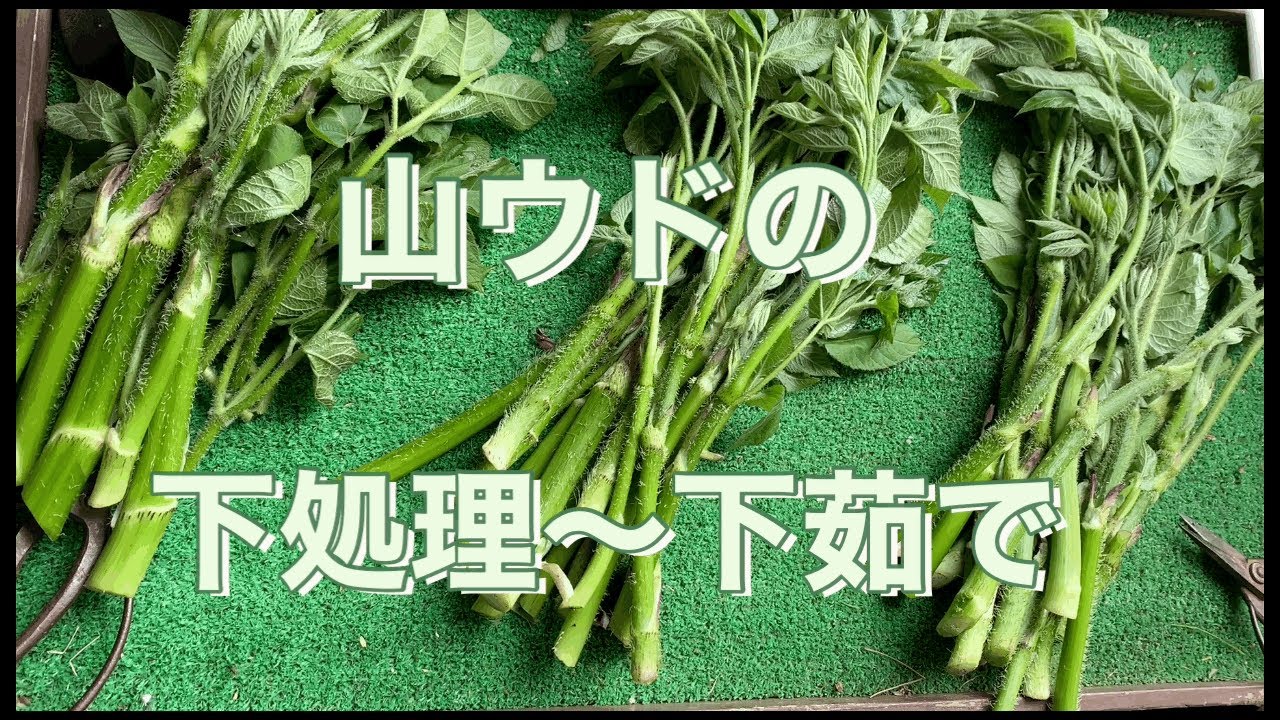
Every spring across Japan, the arrival of sansai (wild mountain vegetables) signals a seasonal shift toward bitter, earthy flavors prized for awakening the palate after winter. Standing tall among these foraged delicacies is Aralia cordata, known colloquially as udo or Japanese spikenard. While greenhouse-grown white udo has long provided a mild crunch in Tokyo supermarkets, interest in the pungent, sunlight-grown mountain variety (yama-udo) has surged among international cooks and home gardeners. Yet gathering and preparing it requires caution. As highlighted in a Yahoo!ニュース Report documenting the growing trend of backyard sansai cultivation, many Japanese enthusiasts are now domesticating wild roots specifically to bypass the physical strain and increasing wildlife hazards, notably brown bear encounters, associated with high-altitude foraging.
Once harvested, however, wild udo presents an immediate culinary dilemma. Unlike its pale, subterranean-forced sibling, uncultivated udo bristles with stiff hairs, sticky resins, and an aggressive astringency known in Japanese kitchens as aku. Left untreated, its bitter polyphenols dry the tongue, discolor the flesh within seconds, and turn an expensive seasonal treat into an unpalatable, resinous stalk. Mastering yama-udo preparation is an exercise in applied food chemistry: stripping away defensive compounds, deploying acidic water baths, and dividing the plant anatomically so nothing goes to waste.
📌 Key Takeaways:
- The Raw Potential: Wild udo can be consumed raw as sashimi, but only the tender inner core qualifies, and it demands an immediate acidulated soak to halt enzymatic browning and leach harsh tannins.
- Chemical Defense: The plant's distinctive bitterness (*aku*) stems from protective polyphenols and diterpenes concentrated heavily in the outer 2 to 3 millimeters of the stalk.
- Zero-Waste Preparation: Traditional Japanese butchery splits the plant into three culinary streams: raw crisp cores for vinegared dishes, thick aromatic skins for stir-fried kinpira, and fuzzy tip shoots for tempura.
The Botanical Divide Between White Udo and Wild Mountain Shoots
Understanding how to prep udo starts with recognizing the stark difference between cultivated white udo (shiro-udo) and true wild udo (yama-udo). Both share the botanical classification Aralia cordata, an herbaceous perennial belonging to the ginseng family (Araliaceae), but their growing conditions produce entirely different chemical profiles.
Shiro-udo is grown through etiolation. Farmers pack soil around emerging stalks or cultivate them in subterranean caves and darkened tunnels, denying the plant sunlight. Without light, chlorophyll synthesis stalls, creating pale, celery-like stalks that measure roughly 3 to 4 centimeters in diameter. These stems are succulent, mild, and contain low levels of secondary metabolites. A swift 2 to 3-minute dip in plain cold water usually suffices to clear away any light residue before slicing them raw into spring salads.
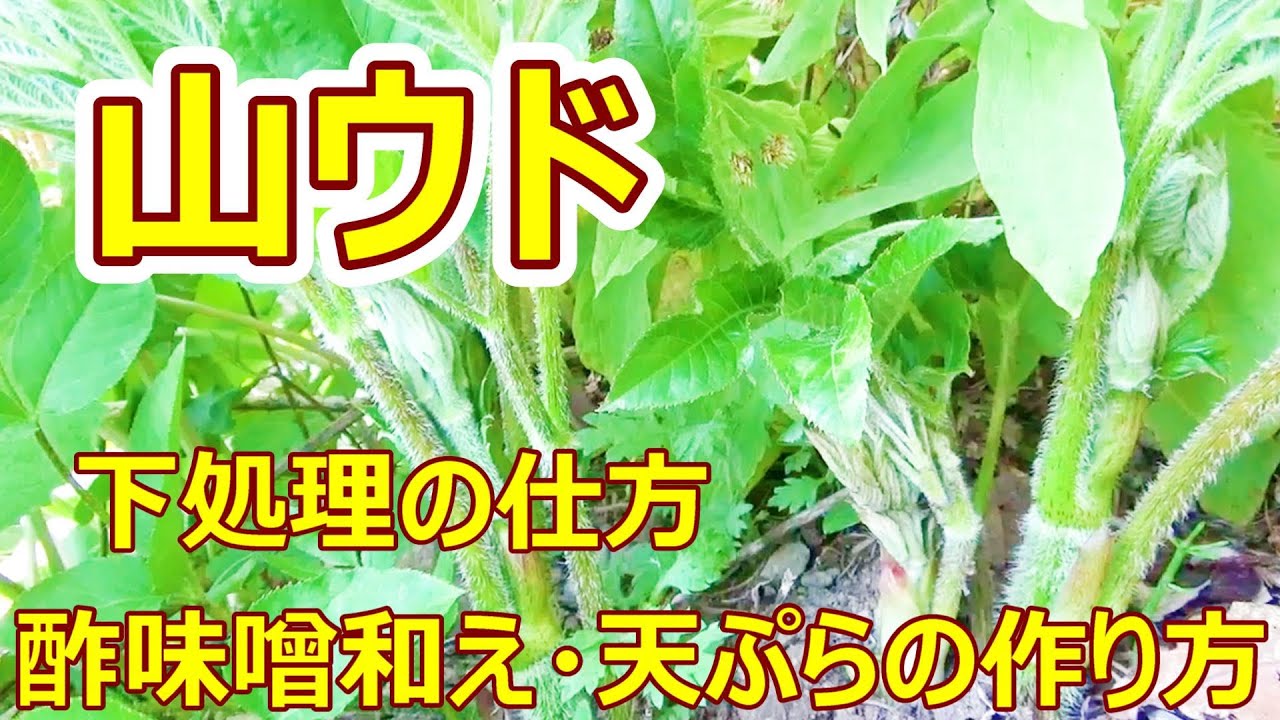
Yama-udo, by contrast, erupts in full sun along gravelly mountain streams and forest edges. Driven by photosynthesis, the plant arms itself against herbivores and environmental stress by loading its outer tissues with dark anthocyanins, green chlorophyll, and intense chemical deterrents. Its stalks are thick, fibrous, covered in fine prickles, and coated with an oleoresin that carries a distinctive pine-and-parsley fragrance. While wild udo delivers far more aroma and satisfying crunch than cellar-grown stalks, tossing an unpeeled, untreated wild shoot into a salad will overpower the palate with bitter astringency.
Can You Eat Wild Udo Raw? The Chemistry of Aku
The short answer is yes, with strict anatomical precision. You can enjoy wild udo raw, but only if you isolate the succulent core and neutralize its water-soluble astringents. The culinary obstacle in wild udo is aku, a broad Japanese culinary umbrella term covering plant defense chemicals, including polyphenols, chlorogenic acids, tannins, and volatile terpenes.
When a cook cuts into fresh udo, the mechanical damage exposes these cellular polyphenols to polyphenol oxidase (PPO) enzymes in the presence of atmospheric oxygen. Within roughly 45 to 60 seconds, unprotected slices begin to oxidize, turning a dull yellow-brown and intensifying in harsh astringency. Furthermore, wild udo contains resinous diterpenic acids that stick to knife blades and coat the tongue with a lingering medicinal bitterness.
To enjoy wild udo raw, most commonly prepared as translucent ribbons for sashimi or dressed in sweet white miso (sumiso-ae), you must discard the outer fibrous sheath entirely. Only the inner vascular core possesses the crisp, watery architecture suitable for raw eating. Even then, raw consumption hinges completely on an immediate chemical bath to block the oxidation chain reaction before it takes hold.
| Attribute | Cultivated White Udo (*Shiro-Udo*) | Foraged Wild Udo (*Yama-Udo*) |
|---|---|---|
| Cultivation Method | Etiolated in darkened caves, pits, or cellars | Grown outdoors in direct sunlight and natural soil |
| Outer Appearance | Smooth, ivory-white, delicate skin | Green-purple hues, coarse hairs, resinous surface |
| Polyphenol / Aku Level | Low; minimal astringency | Very high; concentrated in skin and vascular ring |
| Peeling Requirement | Paper-thin peel (0.5 mm) with standard vegetable peeler | Deep cut (2 to 3 mm) using a sharp knife to clear the fiber band |
| Soaking Protocol | Cold water soak for 2 to 3 minutes | Vinegar water (1, 2%) soak for 5 to 10 minutes |
| Best Culinary Uses | Raw salads, clear dashi soups, carpaccio | Sashimi (core), kinpira (peels), tempura (leafy crowns) |
The Science of Aku-Nuki: Why Vinegar Water Works
The traditional technique for taming udo's bitterness is aku-nuki (literally, "extracting the harshness"). In Western cooking, soaking vegetables in water is often a basic hydration step. In Japanese prep, sumizu, water spiked with rice vinegar, serves an explicit biochemical role.
First, the acetic acid drops the liquid's pH to roughly 3.0 to 3.5. Polyphenol oxidase operates at peak efficiency near a neutral pH of 6.5 to 7.0. By acidifying the exterior cell walls immediately upon slicing, the vinegar bath deactivates the enzyme, preventing the conversion of colorless phenolics into dark quinones. This chemical pause keeps the cut udo pearly white and translucent.
Second, the acidic aqueous environment facilitates the selective leaching of water-soluble bitter compounds from the cut cells via osmotic transfer. Ten minutes submerged in a 1% to 2% vinegar solution (approximately 1 tablespoon of rice vinegar per 2 cups of cold water) pulls out astringent astringents while preserving the structural integrity of the cell walls.
Timing must be controlled tightly. Leaving wild udo submerged for longer than 10 to 12 minutes triggers cellular collapse, softening the vegetable's hallmark glassy crunch. Extended soaking also strips out the delicate pinene and limonene aromatic terpenes that give mountain spikenard its prized forest perfume.
The Thick Skin Peeling Technique: Dividing Stem from Skin
Standard vegetable peelers ruin wild udo. A peeler shaves off only the outermost epidermal layer, leaving behind the tough vascular cambium ring where the plant stores its densest concentration of bitter defense chemicals. Proper butchery requires a sharp utility knife or Japanese petty knife and a deliberate technique known as atsumuki (thick peeling).
[ Cross-Section of Wild Udo Stalk ]
. - ~ ~ ~ - . <-- 1. Outer Hairy Epidermis (Sticky Resins)
.-' . - - - . '-.
/ / +-----+ \ \ <-- 2. Vascular Cambium Layer (Tough Fibers & Bitter Aku)
| CORE |
|---|
| | | (Raw) | | | <-- 3. Translucent Medulla Core (Clean, Crisp, Aromatic)
\ \ +-----+ / /
'-. ' - - - ' .-' [ CUT LINE: Shave 2 to 3mm deep to isolate Core ]
' - ~ ~ ~ - '
- Section the Stalk: Cut the rough wild udo stalk into manageable lengths of roughly 5 to 6 centimeters. Wipe away loose brown dirt and trim the woody base.
- Deep Knife Peeling: Stand each cylinder upright on your cutting board. Position the knife blade 2 to 3 millimeters inside the outer boundary, well past the fuzzy epidermis and deep into the fibrous green-tinted band. Slice downward in straight planks, turning the cylinder as you go until you reveal a squared, translucent, watery inner core.
- Inspect the Core: The isolated inner block should be uniform in texture without stringy rings. Drop these cores directly into your prepared vinegar bath without delay.
- Reserve the Strips: Never discard the thick outer trimmings. While inedible in raw preparations, these peelings hold the richest spikenard aroma and retain enough firm pectin to handle aggressive, high-heat cooking.
From this division, slice the raw cores into paper-thin ribbons for sashimi using a pulling cut (hikitachi), or matchstick them for sunomono (vinegared side dishes). After a brief 7-minute soak in vinegar water, drain and pat the cores dry thoroughly on paper towels before plating.
Heat, Water, and Oil: Parboiling and the Classic Kinpira Method
When wild udo is slated for warm broths, braises, or misoshiru, acid baths give way to thermal deactivation. Parboiling (yudekoboshi) denatures bitter enzymes and leaches resinous compounds into a rolling boil.
For thick-cut wild udo chunks intended for simmered dishes (nimono), bring a pot of salted water to a rolling boil. Submerge the slices for 90 to 120 seconds, then immediately transfer them into an ice-water bath. This rapid thermal shock stops cooking instantly, locks in a vibrant pale jade hue, and purges excess surface resins.
The thick outer peels require a different culinary strategy: lipid extraction and caramelization. This is the foundation of udo no kinpira, an enduring zero-waste staple of Japanese country cooking.
[ Wild Udo Butchery Pipeline ]
Stalk Received
│
├─► Feathered Leaf Tips ──► Batter & Fry ────────► Crisp Tempura
│
├─► Inner Core (Deep Peel) ─► 1-2% Vinegar Soak ──► Raw Sashimi / Sunomono
│
└─► Thick Peelings (2-3mm) ─► Julienne & Sauté ──► Savory Udo Kinpira
To prepare authentic kinpira:
- Slice the thick, reserved peelings across their grain into matchsticks measuring 3 to 4 millimeters thick.
- Soak these julienned peels in cold water without vinegar for 5 minutes to wash off surface sap, then drain and shake dry.
- Heat 1 tablespoon of unrefined toasted sesame oil in a skillet over medium-high heat until shimmering.
- Add the matchsticks and sauté briskly for 2 to 3 minutes. The hot oil encapsulates the remaining astringents, transforming raw bitterness into a nutty, savory profile.
- Add 1 tablespoon of sake, 1 tablespoon of mirin, and 1 tablespoon of dark soy sauce along with a pinch of sliced dried red chili (takanotsume).
- Cook rapidly until the liquid reduces into a glossy glaze coating the strips, finish with toasted white sesame seeds, and pull from the heat. The resulting dish maintains an assertive, rustic crunch that balances sweetness against a deep, herbal finish.
Frequently Asked Questions (FAQ)
Can I prepare wild udo leaves and tender tips the same way as the stalk?
The feathery top clusters and young leaves (*ho-udo*) contain too little moisture for slicing raw and too much surface surface-area for vinegar soaking. Instead, wash them, shake completely dry, dust lightly in potato starch or flour, and fry in clean oil at 175°C (350°F) for 45 to 60 seconds. High-heat frying vaporizes harsh volatile terpenes, leaving behind a delicate, paper-crisp tempura with an aromatic pine finish.
What happens if I skip the vinegar and soak wild udo in plain water?
Plain water hydrates the cells but fails to lower the environmental pH. Without an acidic catalyst, polyphenol oxidase remains active, causing the cut udo to turn an unappealing yellow-gray within minutes. Plain water also leaches bitter tannins far more slowly than a mildly acidic solution, resulting in a harsher flavor profile.
How long can prepped wild udo be stored in the refrigerator?
Once peeled and treated through an acidulated bath, raw udo cores should be consumed within 24 to 48 hours; store them sealed in a container lined with damp paper towels. Sautéed kinpira made from the peels holds up significantly better, retaining its crunch and complex flavor in an airtight glass container for up to 5 days under refrigeration.
Embracing the Chemistry of Wild Sansai
Wild mountain udo bridges the gap between botanical survival strategies and refined seasonal dining. While convenience culture has made uniform, etiolated white udo the standard supermarket staple, foraged yama-udo offers a resinous, assertive character that cultivated stems cannot replicate. Working with it requires respecting its chemical defenses. By cutting deep past the fibrous cambium layer, applying vinegar baths to keep oxidation at bay, and neutralizing harsh peel resins with hot oil and soy sauce, you convert foraged bitterness into nuanced, vibrant spring cooking.