Winter Meal Inspiration: The Rise of Cabbage and Apple Side Dishes
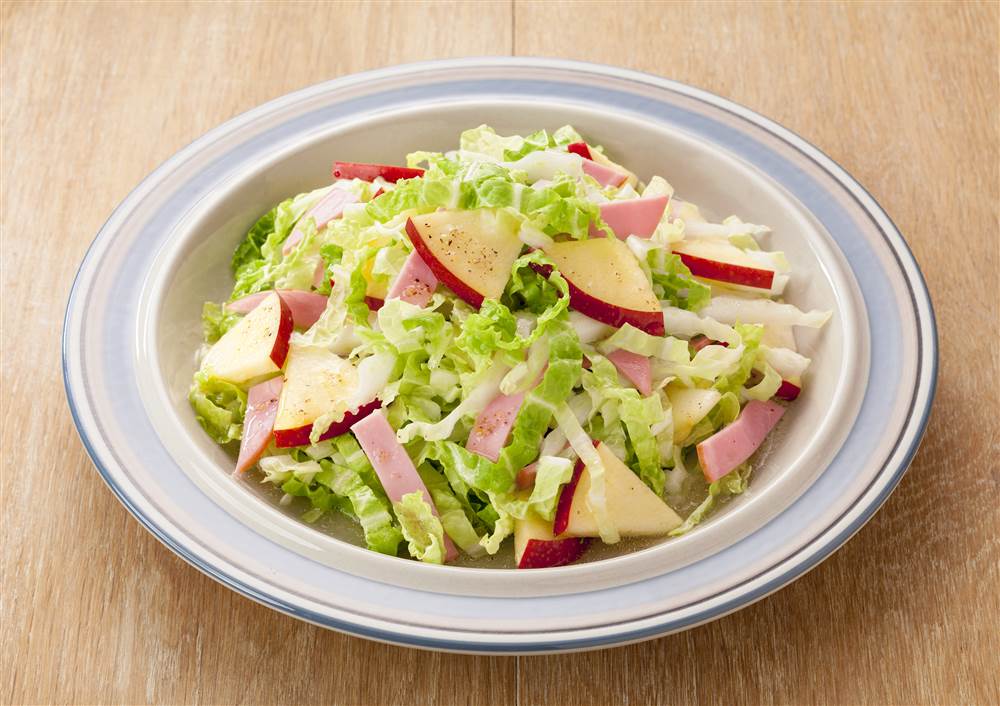
For generations of home cooks in Japan, buying a massive winter Napa cabbage meant one predictable routine: chopping it into steaming clay nabe pots or simmering it down into sukiyaki broth. That winter habit shifted sharply over the 2025, 2026 season. Across major Japanese culinary platforms and evening broadcast segments, raw cabbage recipes paired with crisp winter apples have replaced hot stews as the weeknight standout. As highlighted in a winter entertaining feature by the MSN Lifestyle editorial board, home cooks are discovering that raw Napa cabbage offers a tender, juicy sweetness that standard head cabbage simply cannot match.
The sudden craze centers on contrast. Winter Napa cabbage contains high natural water content and gentle natural sugars, which soften the sharp crunch typically associated with raw slaws. When sliced thin and tossed alongside slivers of seasonal Fuji or Shinano Sweet apples, the combination creates a crisp vegetable salad that balances acidic dressing, salty mix-ins, and rich dairy without requiring any cooking time.
📌 Key Takeaways:
- The Trend: Japanese culinary portals recorded a surge in raw Napa cabbage searches throughout late 2025 and early 2026, pivoting away from traditional boiled hot pots toward quick seasonal dinner recipes.
- The Flavor Mechanics: Napa cabbage leaves provide a mild, non-peppery base with thin cellular walls that absorb dressing rapidly while staying crisp alongside sweet, firm apples.
- Everyday Adaptability: The pairing scales from an upscale Japanese deli-style salad featuring Camembert and walnuts to pantry-staple tuna and cabbage salad preparations seasoned with soy or citrus.
Beyond the Nabe Pot: The Shift Toward Raw Winter Brassicas
Napa cabbage has historically suffered from a lack of culinary imagination outside East Asia. Even within Japan, home cooks routinely bought half- or quarter-heads, dreading the burden of finishing a whole vegetable before the cut edges turned black. Simmering was the default solution. Boiling breaks down the volume quickly, but it also leaches water-soluble vitamins into the broth and turns the thick white ribs soggy if cooked a minute too long.
The pivot to eating it raw began gaining momentum on recipe hubs like Cookpad and Kurashiru in late 2025. Food editors began championing the thick, pale ribs near the core as prime salad material. Unlike round green cabbage, which can be tough and fibrous without intense massaging or salting, raw Napa cabbage ribs yield immediately to the tooth with an audible snap. They taste clean, slightly sweet, and carry none of the sulfurous bite of raw Western cabbages.
The cultural appetite for lighter, cleaner winter side dishes accelerated this change. Heavy winter holiday spreads often leave diners craving cold, hydrating textures. Pairing raw cabbage with winter-harvested apples answered that exact culinary demand.
The Culinary Chemistry of Apples and Napa Ribs
Apples and brassicas share a longstanding history in northern European cooking, where apples routinely cut through braised red cabbage and sour kraut. The modern Japanese version approaches that pairing from the opposite angle: raw, fast, and sharply focused on texture.
Standard green cabbage contains rigid structural fibers that demand heavy mayonnaise dressings or aggressive mechanical kneading to become palatable. Napa cabbage features wide, pale stalks built of delicate cell networks holding up to 95% water. When thinly shaved diagonally, a Japanese knife technique known as sogigiri, the cell walls break just enough to release internal moisture without losing structural crunch.
Apples, particularly firm, sweet-tart cultivars like Fuji, Jonagold, or Tsugaru, introduce malic acid and natural fructose. That acidity counterbalances the faint bitterness in the cabbage's leafy green tips. Meanwhile, the pectin in the fruit provides body to light vinaigrettes, allowing an easy homemade slaw dressing of simple lemon juice and oil to cling to the ribs without separating into watery puddles at the bottom of the bowl.
Three Waves of Preparation: Comparing Modern Slaw Profiles
As the trend moved from casual social media feeds into mainstream print publications, distinct preparations emerged across Japanese kitchens. The variation ranges from quick pantry toss-ups to sophisticated deli platters meant for holiday hosting.
| Salad Style | Core Flavor Profile | Key Components | Prep Time & Role |
|---|---|---|---|
| Deli Camembert & Walnut | Savory, buttery, bright acidity | Camembert cheese, toasted walnuts, lemon olive oil dressing | 8, 10 min; Wine pairing & entertaining |
| Umami Tuna "Mugen" Bowl | Savory umami, light salt, sweet crunch | Canned tuna, soy/mentsuyu, sesame oil, toasted sesame seeds | 5 min; Fast everyday weeknight dinners |
| Classic Mayo & Ham Slaw | Creamy, tangy, gentle sweetness | Japanese egg-yolk mayo, slivered ham, julienned carrot | 6, 8 min; Bento boxes & kid-friendly dinners |

The Asahi Shimbun Deli Blueprint: How Home Cooks Elevated the Dish
The turning point for the salad's reputation came on November 13, 2025, when national daily The Asahi Shimbun published its formal culinary guide to a "deli-style" cabbage salad. The recipe stripped away complicated reductions and replaced them with precise knife work and deliberate textural pairings.
The framework relies on measured proportions designed for two to three servings:
- 200 grams of fresh Napa cabbage
- 50 grams of Camembert cheese (roughly half a standard wheel)
- 1/4 of a fresh seasonal apple
- 20 grams of toasted walnut pieces
- 1 whole fresh lemon (juiced)
- 1 tablespoon of extra-virgin olive oil
Technique matters more than complexity. The recipe instructs cooks to separate the leafy tops from the thick white ribs. The leaves are cut into broad 3 to 4 centimeter squares, while the dense ribs are sliced diagonally into thin slivers. Slicing on the bias exposes more surface area, allowing the lemon olive oil dressing to coat the cabbage instantly without requiring hours of marinating.
Tossing the sliced apples with the lemon juice first accomplishes two goals: it halts enzymatic browning on the fruit and distributes citrus acid evenly throughout the bowl. Adding creamy wedges of Camembert and rough-chopped walnuts transforms what could have been a simple slaw into a balanced appetizer capable of pairing with dry white wine or roasted meats.
Weeknight Utility: Solving the Whole-Cabbage Problem
The viral adoption of raw Napa cabbage is anchored in practical economics. Inflation on fresh groceries throughout 2025 and 2026 drove Japanese consumers toward high-yield, cold-hardy staples. A whole Napa cabbage often retails for substantially less per kilogram than delicate salad greens like romaine or arugula.
Yet whole cabbages create a storage dilemma in compact urban refrigerators. Once a cabbage is sliced open, its exposed surfaces oxidize, forcing cooks to either use the vegetable within three days or watch it spoil. The rise of raw cabbage recipes eliminated that bottleneck.
As documented in a popular Yahoo! Japan News lifestyle report on December 10, 2025, home cooks began branding the tuna-and-cabbage variation as an "infinite salad" (mugen sarada), a dish so light and savory that children and adults consume massive quantities in a single sitting. By draining a single tin of tuna and tossing it with shredded raw cabbage, julienned apples, and a splash of noodle soup base (mentsuyu), families could clear out 300 to 400 grams of raw brassicas in minutes without heating a stove.
By late January 2026, recipe planning services like E-Recipe featured cabbage and apple salad as the standard accompaniment to rich evening mains, pairing it alongside hearty sausage-and-spinach omelets and melted cheese snacks. What began as a scattered social media experiment had settled into the weekly dinner rotation.
Frequently Asked Questions (FAQ)
Q1: Does raw Napa cabbage need to be salted and drained before making this salad?
A1: No. Unlike dense Western green cabbage, which requires heavy salting to break down rigid cellulose, Napa cabbage ribs are naturally tender and water-rich. Salting beforehand draws out too much moisture, leaving the ribbons limp rather than crisp. Slice the cabbage immediately before dressing to preserve its snap.
Q2: Which apple varieties work best in a crisp cabbage slaw?
A2: Choose firm, dense varieties with balanced sugar and acidity. Fuji, Honeycrisp, Granny Smith, and Pink Lady hold their structure when tossed with oils and citrus. Avoid soft, mealy apples like Red Delicious or McIntosh, which bruise easily and turn mushy when dressed.
Q3: How long will a Napa cabbage and apple salad keep in the refrigerator?
A3: The salad is best consumed within 2 to 4 hours of preparation. Because Napa cabbage has a high water content, cut pieces will begin releasing liquid after several hours in acidic dressings. If prepping ahead, store the sliced cabbage and apples separately in airtight containers with lemon juice, tossing them with cheese, nuts, and oil right before serving.
The Enduring Appeal of Raw Winter Slaws
The winter of 2026 revealed how a single adjustment in knife technique can refresh a legacy kitchen ingredient. For decades, the sheer size of a Napa cabbage dictated a narrow menu of boiled soups and braised stews. Slicing those ribs raw broke that routine completely.
The combination of crisp apple, snappy brassica, and savory fats provides an antidote to heavy winter dining. It demands virtually zero cleanup, uses pantry staples already sitting in the cupboard, and turns surplus produce into a textured centerpiece. Long after the cold weather fades, this raw winter slaw will remain a permanent fixture on the weeknight table.