Zero-Waste Dashi Trend: How Leftover Kombu and Shiitake Became a Kitchen Sensation

For generations, home cooks tossed spent sheets of kombu kelp and rehydrated shiitake caps into the compost immediately after straining their morning soup stock. That reflex is fading fast. Driven by inflationary grocery bills and an obsession with closed-loop meal prep, culinary communities across social media and home kitchens have embraced zero-waste Japanese cooking. Instead of discarding extraction scraps, cooks transform them into tsukudani, an intensely savory sweet soy reduction that serves as a pantry staple preservation masterclass.
The revival gained fresh momentum following a widely circulated Yahoo!ニュース Report detailing quick-prep techniques pioneered by culinary forecaster Otenki Mama. Alongside broad curations from platforms like E-Recipe on livedoor News documenting dozens of homemade variations, this once-humble side dish has turned into a viral meal-prep obsession. Rehydrated kelp and forest mushrooms harbor substantial umami flavor enhancement even after liquid extraction. Simmered down into a glossy, dark relish, these pantry scraps offer an unmatched steamed rice topping and a clean-label traditional furikake alternative.
📌 Key Takeaways:
- The Resource Reality: Spent kombu kelp and rehydrated shiitake retain up to 35% of their glutamic and guanylic acids after standard dashi extraction.
- The Modern Technique: Modern microwave methods cut down reduction times from 45 minutes of stovetop simmering to just 6, 8 minutes.
- Pantry Longevity: High natural salinity and concentrated sugars from mirin yield an easy homemade condiment that keeps refrigerated for 3 to 4 weeks.
Why Home Cooks Stopped Discarding Cold-Brew Dashi Solids
Dashi serves as the structural spine of Japanese cuisine, typically yielded by steeping Saccharina japonica (kombu) and dried Lentinula edodes (shiitake). The traditional practice of overnight cold-brewing produces pristine, crystalline broth. Yet it also creates an awkward kitchen byproduct: dense, rubbery strips of spent kelp and waterlogged mushroom stems. For decades, consumer culture treated these depleted ingredients as single-use extraction filters.
Rising grocery prices and ecological awareness shifted that mindset. Spent kombu kelp remains packed with dietary fiber, alginic acid, and lingering glutamates. Rehydrated shiitake caps still carry high concentrations of guanylate, an amino compound that magnifies saltiness and savory depth on the human tongue. Throwing these ingredients away essentially discards raw flavor capital. By gathering these remnants in freezer bags until hitting a critical mass of 200, 300 grams, home cooks build a recurring baseline for low-cost, high-yield condiment production.
The Flavor Chemistry Behind Sweet Soy and Mirin Glazes
Transforming fibrous sea vegetables and spongy mushrooms into tender morsels requires controlled heat and an osmotic balance of seasonings. The cooking process relies on a core Japanese trinity: Japanese dark soy sauce (koikuchi shoyu), real fermented mirin, and unrefined sugar, often balanced with unseasoned rice vinegar to soften the tough marine collagen fibers.
During mirin glaze simmering, complex sugars coat the sliced mushrooms and kelp ribbons. As the liquid evaporates over medium-low heat, the Maillard reaction kicks into overdrive. Amino acids interact with reducing sugars, turning the mixture into a gleaming, mahogany-colored glaze. The mushrooms absorb the rich sauce, shifting from watery sponges into dense, chewy bites that yield a deep savory burst when bitten. Adding a splash of toasted sesame oil and roasted white sesame seeds just before pulling the pan off the heat adds volatile aromatic oils, shielding the condiment from oxidation while deepening its textural appeal.
Stovetop Simmering Versus the Rapid Microwave Technique
Home cooks traditionally rely on an otoshi-buta (drop lid) to simmer tsukudani evenly on the stove for nearly an hour. However, modern kitchen adaptations published by recipe developers on digital platforms have popularized the microwave tsukudani method, which slashes cooking duration while maintaining texture.
| Preparation Metric | Traditional Stovetop Simmer | Microwave Speed Reduction |
|---|---|---|
| Active Cook Time | 35, 50 minutes | 6, 9 minutes (in bursts) |
| Texture Profile | Melt-in-mouth soft, deeply braised | Firm, pleasantly toothsome chew |
| Ideal Batch Volume | Large batches (300g, 600g spent dashi) | Small single yields (80g, 150g scraps) |
| Moisture Retention | Evenly concentrated, syrupy finish | Drier glaze, rapid evaporation |
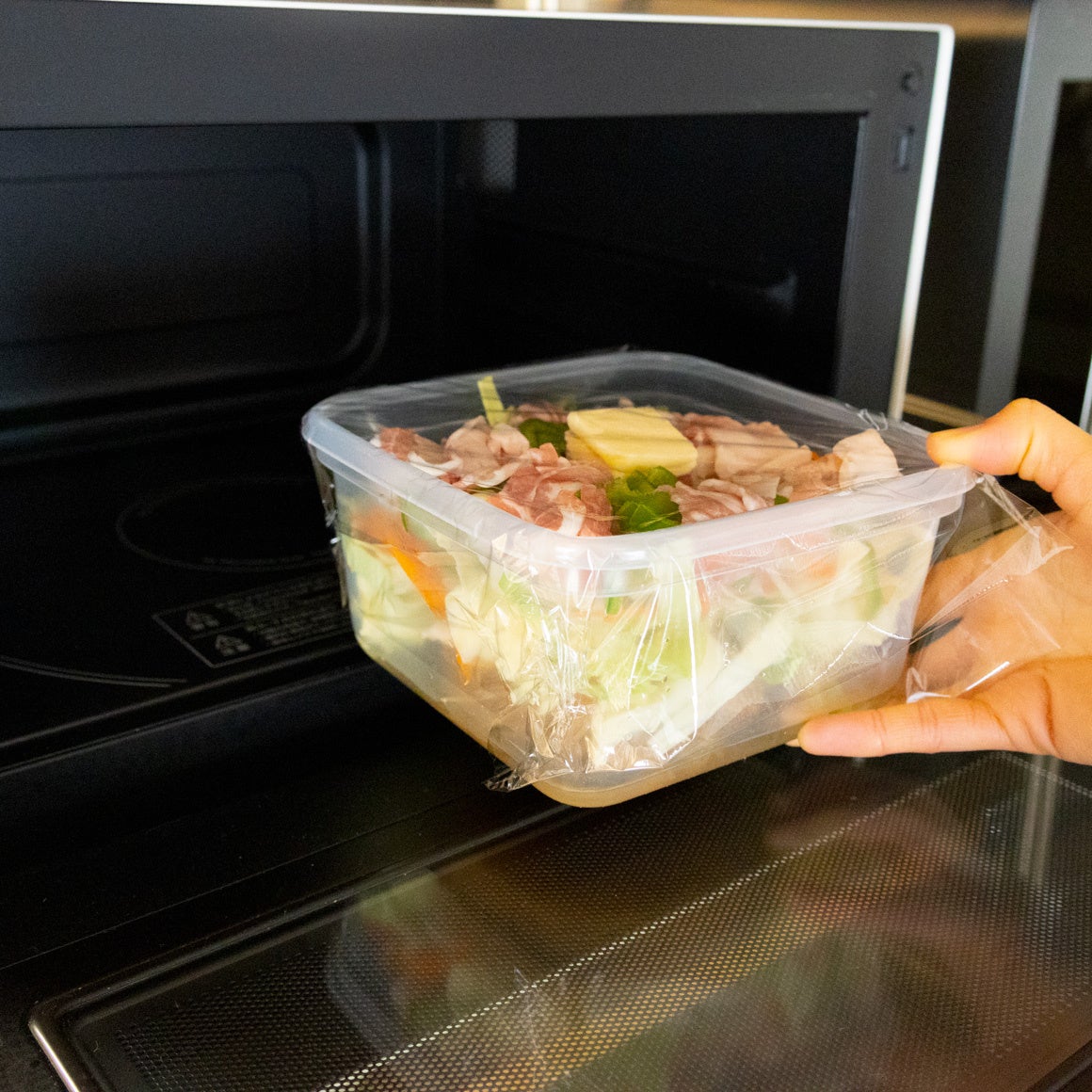
The stovetop route remains superior when processing massive post-holiday dashi batches, as the gentle braise breaks down the tough, leathery texture of thick ma-kombu. Conversely, microwave methods excel for weeknight batch cooking. Using heatproof glass containers without plastic wrap allows steam to escape quickly, concentrating 100 grams of spent ingredients in two 3-minute cycles at 600 watts with a quick stir in between.
Adapting Spent Aromatics Into Everyday Western Dishes
While shiitake mushroom tsukudani originated as a side dish for piping hot white rice, creative cooks deploy it far beyond traditional Japanese breakfast settings. The condiment sits in an ideal intersection of sweet, savory, acidic, and pungent notes.
Folded into warm cultured butter, finely minced tsukudani creates an instant compound spread for crusty sourdough or pan-seared ribeye steaks. Whisked into toasted sesame paste with a dash of warm pasta water, it yields a glossy emulsion for buckwheat noodles or Italian tagliatelle. Thinly shaved onto whipped ricotta toast, the dark glaze delivers an earthy counterweight to fresh dairy fat. Because tsukudani does not rely on raw perishables, it functions as a shelf-stable umami bomb that upgrades weekday lunches without requiring fresh prep work.
Avoiding Common Mistakes in Homemade Tsukudani Prep
The most frequent error in repurposing dashi leftovers is failing to manage excess moisture. Spent kelp retains surface water that dilutes pan sauces if not properly blotted with clean kitchen towels before slicing. Slice the kombu into uniform 2-millimeter squares or thin ribbons; uneven chunks cook unpredictably and leave unpleasant, rubbery bites.
Another common pitfall involves adding too much sugar early in the cooking process. High sugar concentrations harden mushroom cellular walls before they have a chance to absorb the soy reduction. Professional cooks introduce soy sauce, sake, and water first, simmering the spent pieces until tender before finishing with mirin and granulated sugar to establish the signature gloss. Finally, balance the sodium with a splash of rice vinegar. The acetic acid cuts through the heavy glaze, keeping the relish crisp on the palate rather than cloying.
Frequently Asked Questions (FAQ)
Q1: How long can homemade shiitake and kombu tsukudani safely stay in the fridge?
Stored in a sterilized, airtight glass jar, tsukudani easily lasts between 3 and 4 weeks refrigerated. The low water activity and high concentration of salt and sugar act as natural barriers against microbial growth. Always use a clean utensil to serve.
Q2: Can I use fresh shiitake mushrooms instead of rehydrated dashi spent ones?
Yes. Fresh shiitake work well, though they contain more moisture and soften much faster. If using fresh mushrooms, trim the stems, slice the caps thinly, and reduce the added cooking liquid by half to prevent a soggy relish.
Q3: Can tsukudani batches be frozen for long-term meal prep?
Tsukudani freezes exceptionally well for up to 3 months. Portion the finished condiment into two-tablespoon mounds on parchment paper or inside silicone ice cube trays. Thaw individual portions overnight in the refrigerator or microwave them for 15 seconds before serving.
The Future of Sustainable Kitchen Condiments
The broader movement surrounding spent dashi scraps reflects a wider transformation in domestic cooking philosophies. Home kitchens are moving away from single-use convenience products, choosing instead to close the gap between primary meal prep and secondary waste. Learning to view spent kombu and weathered shiitake stems as base ingredients rather than trash marks a conscious shift toward economic efficiency and deeper culinary technique.
A jar of homemade tsukudani resting in the refrigerator is more than an easy pantry condiment. It represents a closed flavor cycle, where an aromatic morning dashi broth gives rise to a savory dinner topping with nothing wasted along the way. That functional elegance explains why this traditional technique continues to win over practical cooks everywhere.