XIV Yugawara Rikyu Recruitment Drive: Complete Update on Housing Perks and Job Openings
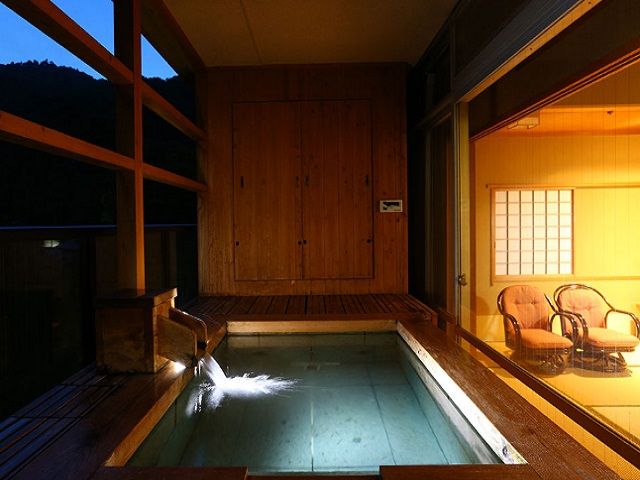
Tucked along the steep forested ravines of Kanagawa Prefecture, XIV Yugawara Rikyu stands as one of Resorttrust’s most architecturally striking membership retreats. Its black-granite surfaces, tranquil water mirrors, and natural mineral springs attract Japan’s elite travelers year-round. Yet behind its polished marble lobby and high-end dining pavilions lies an operational machine facing the same acute pressure gripping Japan’s entire hospitality industry: the race to secure and retain service personnel.
To compete against urban luxury hotels in Tokyo and Yokohama, Resorttrust has turned its employee dormitory system into a centerpiece of its recruitment strategy. Housing costs in the Tokyo metropolitan periphery have surged, turning subsidized resort accommodations from a routine logistical necessity into a major financial consideration for job seekers. For prospective recruits evaluating current onsen resort job openings, the reality of living in corporate housing dictates whether a hospitality career in Yugawara is economically sustainable.
📌 Key Takeaways:
- Housing Structure: Resorttrust offers subsidized private studio units (1R/1K) for full-time staff, priced between ¥10,000 and ¥18,000 per month, sharply below local private rental market rates.
- Compensation Shift: Base starting salaries for hotel service staff recruitment now hover between ¥225,000 and ¥285,000 per month, supplemented by subsidized cafeteria meals and defined monthly utility allowances.
- Operational Realities: While private rooms eliminate traditional shared-dorm headaches, split-shift scheduling and reliance on dedicated shuttle runs require deliberate personal adjustments.
The Hospitality Squeeze Driving Resorttrust’s Housing Push
The Japanese leisure sector faces an unprecedented labor deficit. Inbound tourist arrivals broke historical records through 2025, and high-end membership establishments must maintain strict service ratios without burning out their core workforce. XIV Yugawara Rikyu, situated roughly 90 minutes south of central Tokyo, cannot simply rely on local municipal labor pools. Yugawara’s aging local demographic means that most floor associates, sommeliers, teppanyaki chefs, and front-desk agents must relocate from other prefectures or overseas.
To entice talent, corporate leadership recognized that wage growth alone falls flat if housing absorbs the surplus. Real estate listings in the Yugawara and Atami corridor frequently demand high move-in gift money (reikin), agent commissions, and guarantor fees. By controlling dedicated company housing assets, Resorttrust bypasses these rental friction points. New hires unpack their bags into fully furnished studios within days of finishing their Tokyo orientation, bypassing the traditional bureaucratic roadblocks of private leasing.
Recent job listings highlight this housing guarantee as a primary hiring incentive. Rather than treating staff lodging as an afterthought, recruitment campaigns spotlight private living spaces as an antidote to the punishing communal quarters historically associated with rural ryokan work.
Inside the Dormitories: Studio Specs, Rent, and Hidden Fees
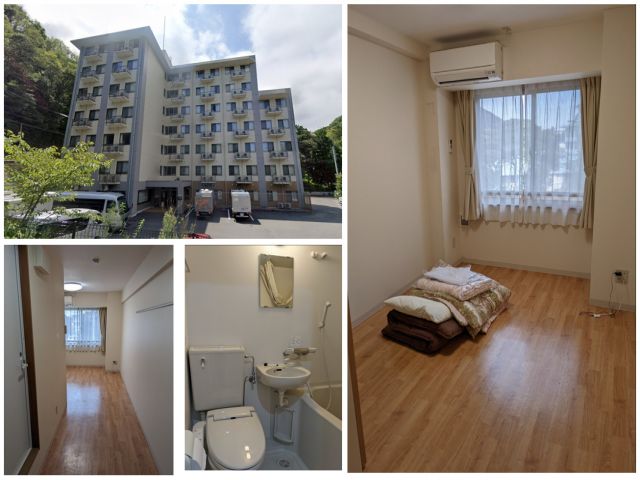
The phrase shain ryō (company dormitory) once meant thin tatami partitions, shared restrooms, and mandatory chore rotas. That model repels younger candidates. At XIV Yugawara Rikyu, staff housing allocations primarily consist of private, single-occupancy studio apartments (1K or 1R layouts).
Each private room includes an integrated unit bath, an induction cooktop kitchenette, an individual air-conditioning and heating unit, a mini-refrigerator, and dedicated high-speed internet wiring. Staff members do not share sleeping or sanitary quarters. Washing machines are either situated in-unit or arranged in free communal laundry bays on the ground floor.
Rent deductions from monthly payroll remain exceptionally low. Baseline room charges range between ¥10,000 and ¥15,000 per month for standard singles, with slightly larger units or newer auxiliary buildings topping out near ¥18,000. Monthly utility allowances frequently cover a fixed baseline of water and gas, while personal electricity consumption beyond the threshold is deducted at cost, typically running an additional ¥4,000 to ¥7,000 depending on seasonal climate demands.
For a mid-career hire grossing ¥250,000, spending less than 10 percent of gross income on total shelter costs generates immediate cash-flow relief that urban positions in Roppongi or Ginza cannot match.
Comparing Staff Housing Models Across Resort Tiers
Accommodations in the hospitality sector vary dramatically between boutique family operations, corporate membership resorts, and seasonal ski lodges. The table below outlines how Resorttrust’s package compares against standard Japanese resort hospitality benchmarks in 2026.
| Benefit / Asset Metric | XIV Yugawara Rikyu | Traditional Onsen Ryokan | Standard Seasonal Resort |
|---|---|---|---|
| Room Layout | Private single studio (1R/1K) | Shared flat or partitioned room | Dormitory bunk (2, 4 persons) |
| Monthly Rent Range | ¥10,000, ¥18,000 | ¥0, ¥8,000 | Free or ¥5,000 deduction |
| Sanitary Facilities | Private unit bath & toilet | Shared floor washroom / onsen | Communal shower block |
| Meal Program | Subsidized cafeteria (¥250, ¥350) | Free kitchen staff meal (*makanai*) | Pre-packaged box lunches |
| Commute Infrastructure | Designated company shuttle bus | On-site or walking distance | Walking or pooled minivan |
Daily Operations: Cafeteria Subsidies, Shifts, and Shuttle Runs
Low rent solves only half the living equation. Food and transit can erode savings quickly if left unaddressed. XIV Yugawara Rikyu operates an employee cafeteria providing hot, nutritionally balanced lunches and dinners at heavily reduced prices, running ¥250 to ¥350 per meal. Associates working double shifts or full service rotations routinely eat both primary meals on-site, slashing grocery bills down to pocket money.
Transit is tightly calibrated around shifts. The resort itself is perched in the upper Miyakami district, separated from Yugawara Station by several kilometers of winding, uphill roads. Walking is impractical, especially after a nine-hour shift on your feet.
Resorttrust bridges this gap with scheduled staff shuttle buses connecting the housing clusters, the train depot, and the property back entrance. The shuttle runs synchronized routes to capture morning front-desk arrivals, afternoon housekeeping departures, and late-night food and beverage closures. For employees authorized to maintain personal vehicles, parking spots at or near housing blocks are available for modest monthly stipends, though parking directly on the luxury resort grounds during operating hours remains strictly monitored.
Hospitality schedules inevitably introduce split shifts (nakawari). A dining associate may work the breakfast rush from 6:30 AM to 10:30 AM, clock out for an unpaid four-hour midday break, and return for dinner banquet preparations from 3:00 PM until 10:00 PM. Having a reliable shuttle run back to a private, quiet room during that midday recess makes an enormous difference in combating physical fatigue.
Navigating the Trade-offs of Resort Life in Kanagawa
Living in corporate housing in Yugawara requires clear eyes about lifestyle constraints. This is not Shibuya. The pace of life slows radically once the evening trains clear out.
Nightlife is virtually non-existent along the river valley. Convenience stores and local izakayas close early compared to major metropolitan centers. Employees who thrive on bustling shopping districts or immediate access to club scenes often experience rural isolation during their first winter assignment.
Social dynamics can also feel insular. When your coworkers are your neighbors in the hallway and your fellow passengers on the 7:15 AM shuttle bus, workplace frustrations can follow you home. Maintaining personal boundaries requires conscious effort. Successful residents build routines outside the resort ecosystem, surfing in nearby Atami, hiking the Hakone foothills on off days, or using the direct JR Tokaido Line to spend weekends in Odawara or Yokohama.
Job seekers should weigh these distinct profiles:
- Early-career hospitality professionals focused on rapid capital accumulation, culinary apprentices seeking deep training under master chefs, and outdoor enthusiasts who prefer hot-spring towns over urban sprawl.
- Workers reliant on active late-night city culture, individuals uncomfortable with communal workplace proximity off the clock, and those unwilling to navigate split-shift operational hours.
Frequently Asked Questions (FAQ)
Q1: Are utilities fully covered by the dormitory rent at XIV Yugawara Rikyu?
A1: Basic rent (typically ¥10,000 to ¥18,000) covers shelter, fixed internet connections, and baseline water use. Electricity and gas usage beyond established corporate allowances are billed back to the employee via monthly salary deductions, generally running between ¥4,000 and ¥7,000 depending on season.
Q2: Can foreign nationals apply for service roles and access the housing?
A2: Yes. Resorttrust actively recruits bilingual and international staff holding valid Japanese work visas (such as Specified Skilled Worker, Engineering/Specialist in Humanities/International Services, or Working Holiday visas). International hires receive identical access to subsidized dormitory rooms and cafeteria benefits.
Q3: Is bringing a personal car allowed while living in the staff dormitory?
A3: Personal vehicles are permitted, but spots depend on the specific dormitory assignment. Staff members must pay an extra parking space fee (typically ¥3,000 to ¥6,000 monthly) and must adhere to company rules prohibiting private vehicle parking in guest lots during active resort shifts.
The Practical Reality of Resorttrust Careers in 2026
Working at XIV Yugawara Rikyu offers a calculated exchange. You trade the convenience and anonymity of large-city living for tangible financial stability and direct exposure to elite Japanese hospitality standards. The private single-room accommodations, low overhead, and comprehensive meal infrastructure remove the structural financial drag that pushes many young professionals out of the service sector.
For those eager to develop serious hotel management, culinary, or front-of-house credentials, the math works out favorably. By stripping away exorbitant urban apartment deposits and sky-high rent rolls, the posting allows service professionals to save substantial capital while honing their craft inside one of Kanagawa's premier luxury sanctuaries.